Gum disease is a very common oral health problem that often begins without discomfort or clear symptoms. From starting you may notice slight symptoms like red gums or puffiness and a little bleeding when you brush or floss. Many people don’t pay attention to these early symbols. But if it’s not treated on the proper time then it can gradually become a very serious infection that actually harms the gums or the bone that holds your teeth in place. In severe cases, then it can even lead to tooth loss and other dental complications. Gum disease (periodontal disease) gradually become serious if not treated on time. Learn more about this condition in periodontal disease
By having your teeth cleaned and following to simple oral cleanliness steps then You can prevent gum disease by maintaining good oral hygiene and regular dental checkups. If you are looking for a trusted dentist Glendale, early prevention is very important. At Simply Smiles Arrowhead, we focus on preventive dental care for long-term gum health. Below are eight easy or practical ways to help you stop it before it becomes serious.
How to Prevent Gum Disease
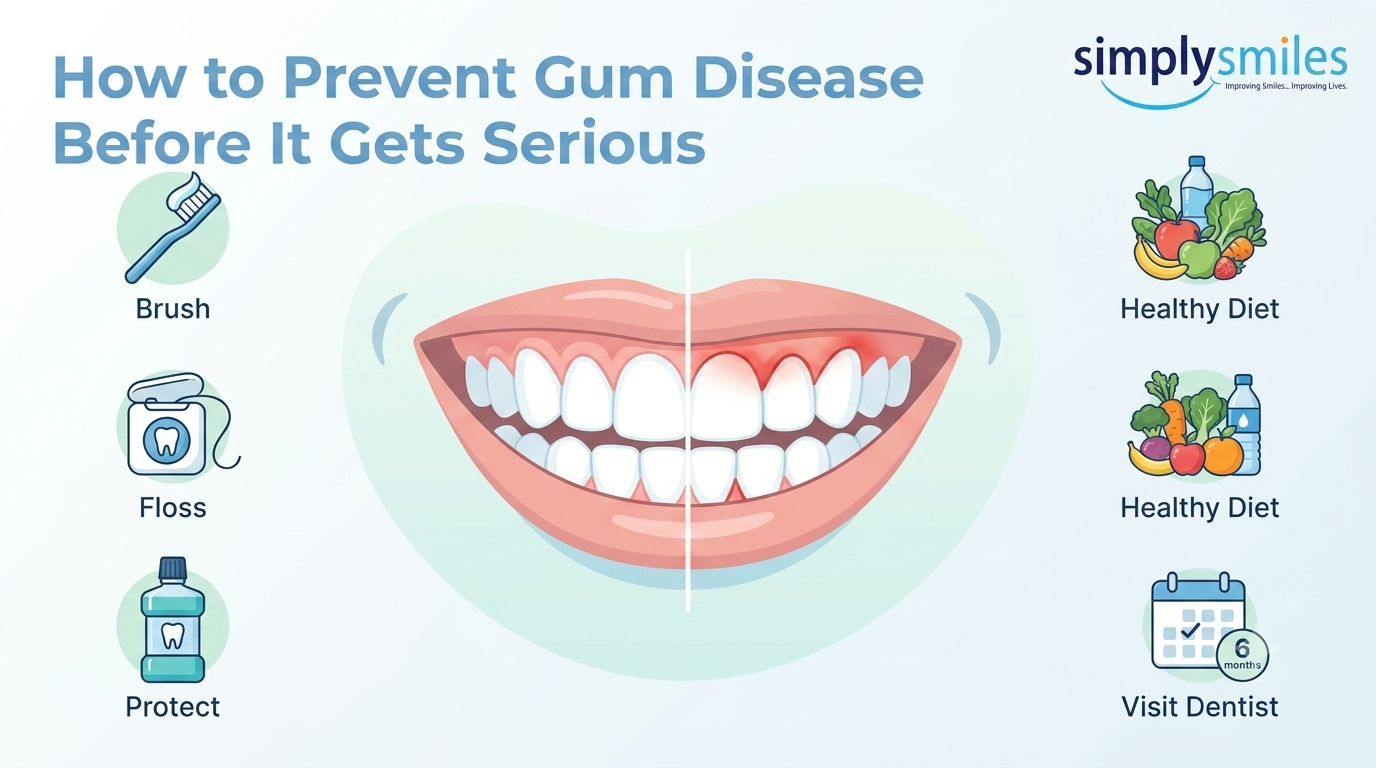
Gum disease can be prevented by brushing twice daily, flossing once a day, using mouthwash, eating a healthy diet, staying hydrated, and visiting a dentist regularly. Early care is important because gum disease often starts without pain.
The best way to prevent gum disease is by brushing twice a day, flossing daily, using an antibacterial mouthwash, eating a healthy diet, staying hydrated, and visiting your dentist for regular checkups.
01: Improve Your Daily Brushing
Brushing your teeth in correct way is one of best way just to prevent from gum disease or keep your gums healthy for long time. Even minor improvements in your brushing habits can really help to remove plaque and protect your mouth from many types of infections. professional dental cleaning helps remove deep plaque buildup.
- Brush your teeth for 2 minutes or two times a day
- Use a soft toothbrush so you do not upset your gums
- Have the brush slightly tilted to your gum line
- Clean all sides of your teeth softly in circles
When plaque is cleaned appropriately then your gums stay fresh and healthy. Good brushing benefits stop puffiness, bleeding and early gum problems, and keeps your smile strong each day.
02: Floss Every Day to PREVENT GUM DISEASE Between Teeth

Brushing on your own cannot clean between teeth where germs stay hidden. That’s why flossing each day is very significant to help Prevent Gum Disease. It removes food debris and plaque from the small spaces between teeth. This has your gums clean or fresh and safe from infection.
- Get rid of food stuck between teeth
- Clears unseen plaque under the gum line
- Helps lessen puffy and bleeding gums
- Discontinues bacteria from growing in hard areas
Floss gently once a day just to keep your gums healthy or your mouth clean. Flossing is an important part of oral hygiene that helps remove food particles and plaque from between teeth, which is a key part of dental flossing practices for preventing gum disease. If you skip flossing then germs can accumulate or lead to gum disease and other dental complications over time. You should make flossing an everyday habit along with brushing for better oral health.
03: Use an Antibacterial Mouthwash

Using an antibacterial mouthwash is an easy way only to help prevent from gum disease or keep your mouth clean and healthy. “It helps to eliminate the harmful bacteria that can cause gum infection or puffiness and pain. Mouthwash also helps to lessen plaque on teeth and cleans the areas that brushing or flossing can’t reach. It has your breath fresh and your mouth feeling clean.
Using mouthwash daily can help you improve your oral hygiene or protect your gums from early problems. It works best when you use it after brushing and flossing. It gives benefits your mouth by removing leftover germs.
Mouthwash shouldn’t change brushing or flossing. It only works as additional protection. If you make it an everyday habit then it can help keep your gums strong or your teeth healthy and your mouth secure from gum disease for a long time.
04: Reduce Sugar and Eat a Gum-Friendly Diet
What you eat is vital for healthy gums. Good food can help prevent gum disease naturally. Healthy eating also helps lessen germs in your mouth and keeps your teeth and gums strong.
- Always drink less sugary drinks or eat less sweets as they feed germs
- You should avoid from sticky and junk foods that can stick to teeth and cause plaque
- Eat fresh fruits and vegetables for vitamins and healthy fiber
- Eat foods that types of fruits with calcium, vitamin C and other key nutrients
- Drink lots of water just to clean your mouth or remove food bits
These habits are also recommended in our oral care guide for Glendale patients. Eating healthy food each day helps your body to fight gum infections. Minor changes in your diet can keep your gums healthy or protect your smile for a long time.
05: Stay Hydrated
Drinking water is very important to keep your mouth clean or fresh each day. It helps reduce germs and keeps your gums healthy. When you drink enough water then your mouth makes enough saliva to protect your teeth and gums.
- Wash away food bits and germs
- Have saliva levels usual
- Stop dry mouth and bad breath
- Have your mouth clean and healthy
Saliva protects your gums like a natural defense. If you don’t drink enough water then germs can grow more quickly and cause gum difficulties. So, drink plenty of water each day to keep your gums healthy and help stop gum disease naturally.
06: Visit Your Dentist Regularly
Even if you clean your teeth well at home then you still want to visit the dentist repeatedly to Prevent Gum Disease. A dentist can spot gum problems promptly before they worsen. The professional cleaning also removes dirt and buildup that you can’t clean yourself.
- Remove tough plaque (tartar) that you can’t clean at home
- Find early symptoms of gum swelling or infection
- Treat small gum problems before they become serious
- Check your gum health at each visit
Routine dental checkups are important for preventing gum disease. Learning about common dental problems can also help you recognize symptoms before they become serious. Regular dental visits help keep your gums strong and healthy for a long time. With the consistent care or cleaning, you can avoid gum disease or maintain a healthy or confident smile.
Stop Gum Disease Before It Gets Serious
Bleeding gums, bad breath, or gum swelling are early warning signs that shouldn’t be ignored. Schedule a dental checkup today to protect your gums, prevent future complications, and keep your smile healthy.
07: Avoid Harmful Habits
The usual habits can gradually harm your gums without you noticing. These habits can weaken your gums and increase the risk of infection. Many people don’t realize that lifestyle choices significantly affect to oral health. The bad habits can lead to more plaque or gum irritation and slow healing. Over time this can worsen gum disease. To Prevent Gum Disease, it’s significant to stop these damaging habits early. Small changes in your everyday routine can help your gums in stay strong or healthy.
Avoiding from bad habits helps your gums stay healthy or lessens swelling and supports quicker healing. It also makes that brushing or flossing more effective.
- Avoid smoking or tobacco use as it weakens the gums and slows healing
- Decrease sugary snacks as they help to damaging bacteria grow
- Never skip brushing or flossing each day
- Avoid brushing tightly as it can hurt your gums and make them sensitive
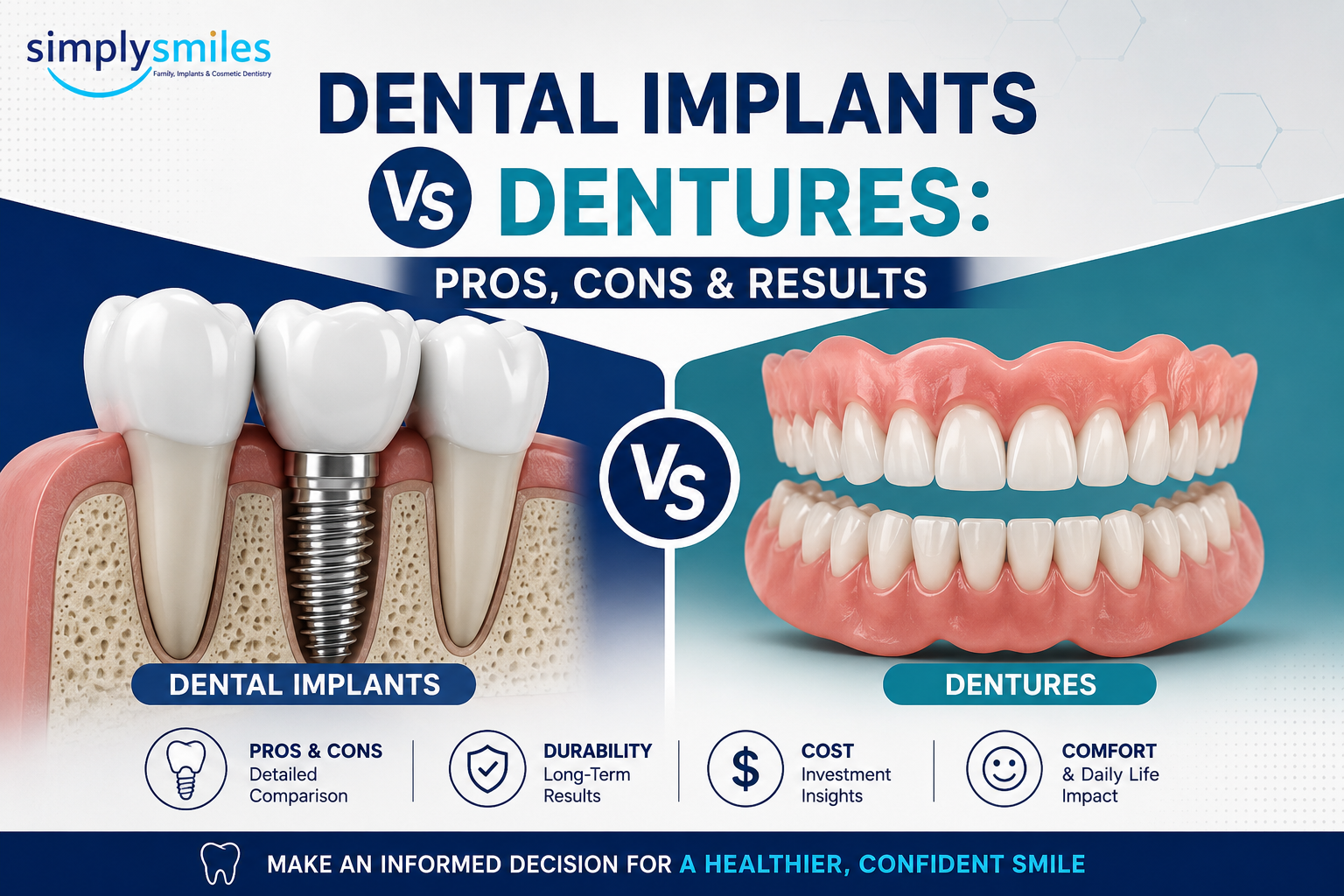
Discontinuing to these habits helps protect your gums or prevents long-term damage and keeps your mouth healthy. Severe gum disease can sometimes lead to tooth loss requiring dental implants.
08: Clean Your Tongue
Cleaning your tongue is an easy but very vital part of keeping your mouth healthy. The tongue can collect bacteria or food bits and dead cells. If it isn’t cleaned, then these germs can spread to your gums and cause infection. By gently cleaning your tongue each day with a tongue scraper or toothbrush so you can reduce bacteria in your mouth.
It also helps:
- Have your mouth fresh
- Lessen bad breath
- Lower germs in the mouth
- Improve overall oral hygiene
Cleaning your tongue every day helps keep your gums and teeth healthier for a long time.
Final Thoughts
To summarize that prevent from gum diseases then everyday care or good habits are very significant for healthy gums in the long run. By doing to minor things each day can keep your gums safe or your smile bright. Brushing to your teeth well or flossing each day, drinking enough water or eating healthy food, all can help decrease bad bacteria in the mouth. Regular dentist visits are very important by which they can catch to gum complications early before they get worse. The gum disease typically starts slowly and without pain so stopping is the best way to stay safe.
By following these simple habits each day then you can avoid from gum infection, bleeding gums or even tooth loss. The good oral care benefits have your gums strong or clean and healthy for life.Visiting a professional Glendale Arizona dentist regularly helps detect gum problems early.
FAQs
How can I prevent gum disease at home?
You can prevent gum disease by brushing twice daily, flossing once a day, using mouthwash, eating a healthy diet, and staying hydrated.
What are the first signs of gum disease?
Early signs include red gums, swelling, bleeding while brushing, and bad breath.
Can gum disease be reversed?
Yes, early-stage gum disease (gingivitis) can be reversed with proper brushing, flossing, and dental cleaning.
How often should I visit a dentist to prevent gum disease?
You should visit your dentist every 6 months for a checkup and professional cleaning.
Is gum disease painful in the beginning?
No, gum disease usually starts without pain, which is why many people ignore it early.
Does flossing really help prevent gum disease?
Yes, flossing removes plaque and food between teeth where a toothbrush cannot reach.
Can mouthwash replace brushing?
No, mouthwash is only an extra protection. It cannot replace brushing or flossing.
What foods help prevent gum disease?
Foods rich in vitamin C, calcium, fruits, vegetables, and water-rich foods help maintain healthy gums.
What is the best way to prevent gum disease?
The best way is daily brushing, flossing, mouthwash use, and regular dental visits.
Can gum disease be stopped early?
Yes, early gum disease (gingivitis) can be reversed with proper oral care and professional cleaning.
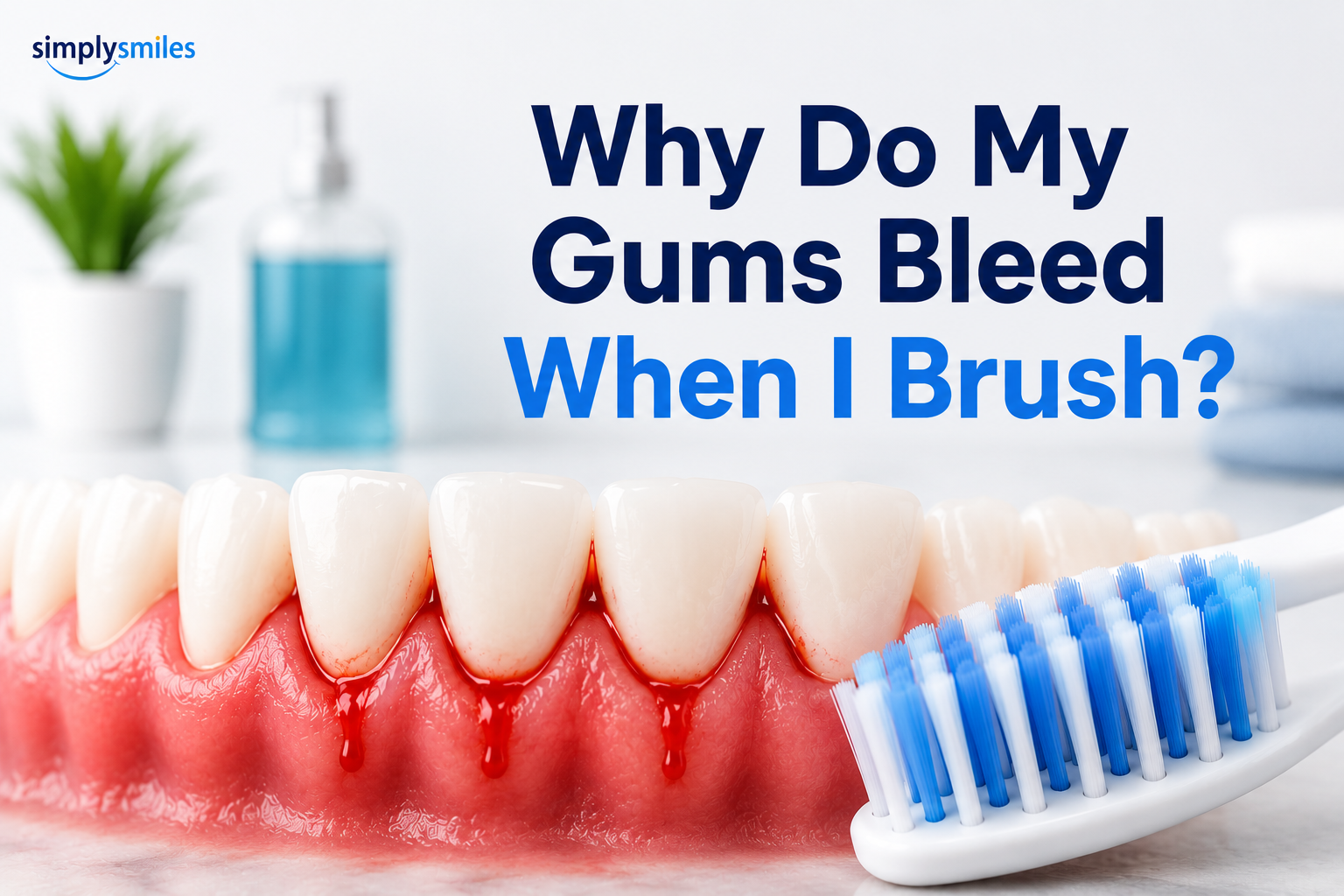
Why do gums bleed when brushing?
Bleeding gums are usually caused by plaque buildup and early gum infection.
How often should I brush to prevent gum disease?
You should brush your teeth at least two times a day.
Is gum disease permanent?
No, early stages are reversible, but advanced gum disease can cause permanent damage.