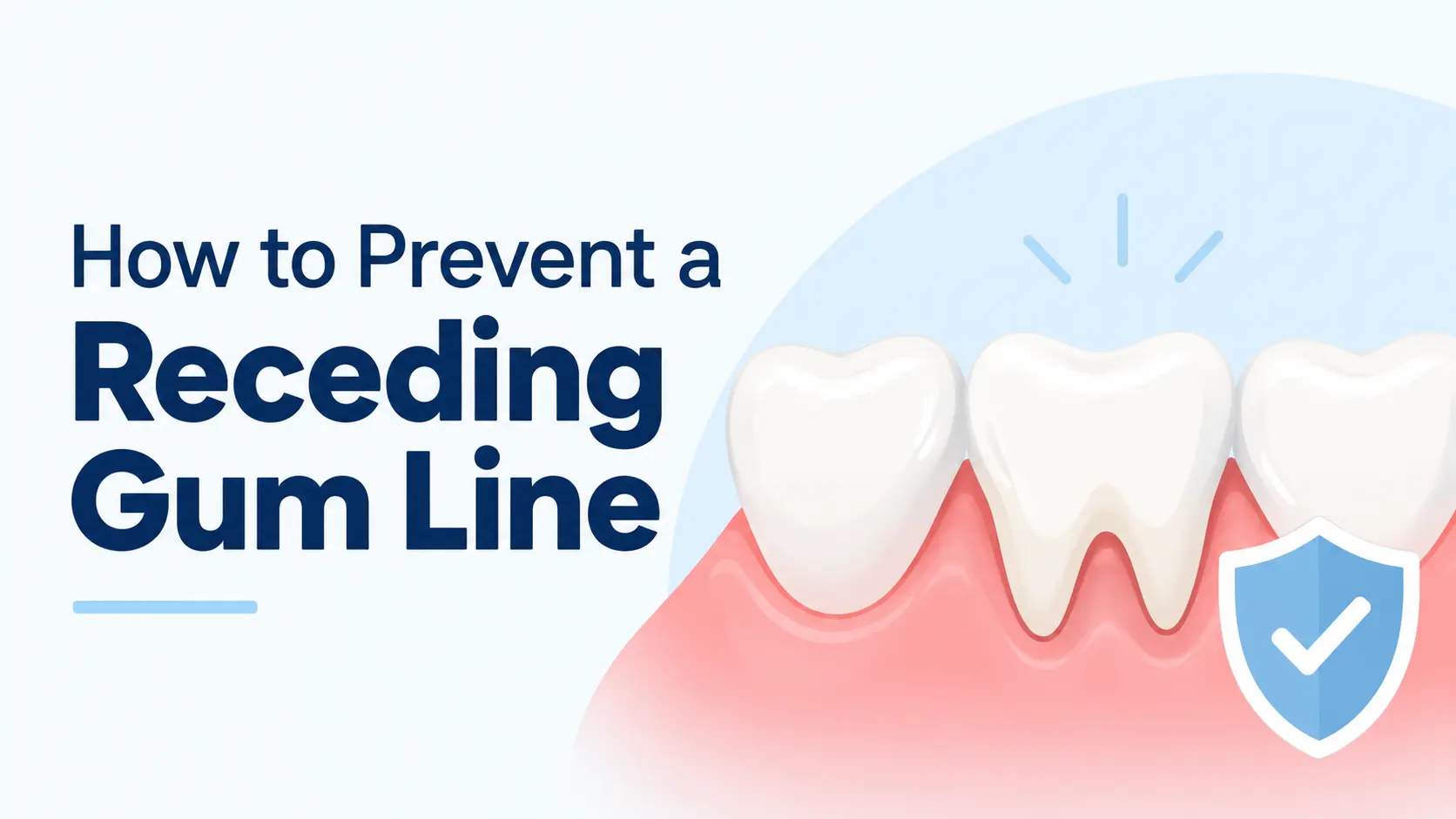
A receding gum line is easy to miss at first. Your teeth look a little longer, a tooth feels sensitive to cold, or you notice a notch near the gumline. Over time, recession exposes the tooth roots, raises your risk of decay, and can eventually lead to tooth loss.
The good news is that gum recession is largely preventable, and catching it early makes a big difference. This guide covers what causes gums to recede, the daily habits that protect them, and when to see a dentist.
What Is a Receding Gum Line?
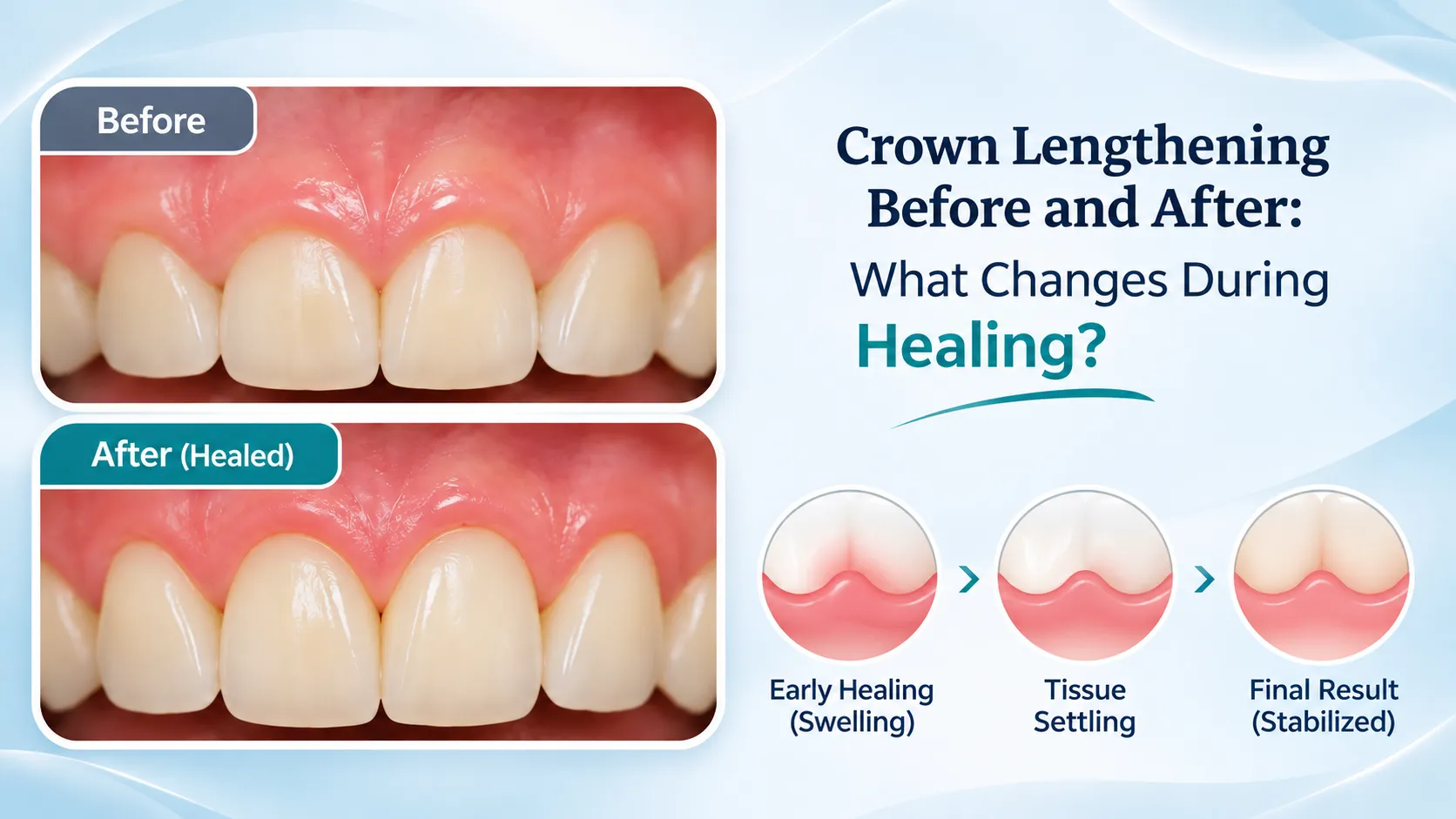
Gum recession happens when the gum tissue surrounding your teeth wears away or pulls back, exposing more of the tooth and eventually the root. Gum tissue does not grow back on its own, so prevention and early action matter.
Recession is common in adults and becomes more likely with age. It often develops slowly, which is why many people don’t notice it until sensitivity or visible changes appear.
Common Signs of Receding Gums
Watch for these early warning signs:
- Teeth that look longer than they used to
- Sensitivity to hot, cold, or sweet foods
- A visible notch or ridge near the gumline
- Exposed root surfaces that look yellow or darker than the enamel
- Red, swollen, or bleeding gums
- Persistent bad breath
- Loose teeth in advanced cases
If you notice any of these, book a dental exam. Early detection gives you far more options.
What Causes Gums to Recede?
Understanding the causes helps you target prevention.
1. Gum disease (periodontal disease). Bacterial infection that destroys gum tissue and the bone supporting your teeth is a leading cause of recession.
2. Aggressive brushing. Brushing too hard or with a hard-bristled brush can wear away gum tissue and enamel over time.
3. Poor oral hygiene. Plaque that isn’t removed hardens into tartar, which irritates and inflames the gums.
4. Genetics. Some people have thinner gum tissue or are more prone to gum disease. If close family members have had recession, your risk may be higher.
5. Tobacco use. Smoking and other tobacco products increase plaque buildup and weaken gum health.
6. Teeth grinding or clenching (bruxism). Excess force on the teeth can contribute to recession.
7. Misaligned teeth or a bad bite. Uneven pressure can stress the gum and bone in certain areas.
8. Hormonal changes. Pregnancy, menopause, and puberty can make gums more sensitive and more prone to inflammation.
9. Oral piercings. Lip and tongue jewelry can rub against gum tissue and wear it down.
How to Prevent a Receding Gum Line: 9 Steps
1. Brush gently with a soft-bristled toothbrush
Use a soft-bristled brush and light pressure. Angle the bristles about 45 degrees toward the gumline and use small, gentle circular motions instead of hard back-and-forth scrubbing. Brush twice a day for two minutes.
If you tend to press hard, an electric toothbrush with a built-in pressure sensor can help.
2. Floss every day
Flossing removes plaque and food particles from between your teeth, where your brush can’t reach. Slide the floss gently in a C-shape around each tooth instead of snapping it into the gums. If traditional floss is difficult, interdental brushes or water flossers are good alternatives.
3. Use fluoride toothpaste and consider an antimicrobial rinse
Fluoride toothpaste protects exposed root surfaces from decay. Your dentist may recommend an antimicrobial mouthwash if you’re prone to gum inflammation. A professional fluoride treatment delivers a more concentrated dose and adds extra protection for sensitive, exposed roots.
4. Don’t skip professional cleanings
Tartar can only be removed by a dental professional. During a dental cleaning and exam, your dentist cleans away the buildup that brushing can’t handle, checks for cavities, and examines your gums. Regular visits, typically every six months or as your dentist recommends, allow early signs of gum disease and recession to be spotted before they progress. People with a history of gum disease may need more frequent visits. Our dental hygienists can also show you the right brushing and flossing technique for your mouth.
5. Treat gum disease early
Bleeding gums are not normal. Gingivitis, the earliest stage of gum disease, is reversible with good care and professional cleaning. Left untreated, it can advance to periodontitis, which causes permanent damage. If your gums bleed when you brush or floss, schedule an appointment.
6. Quit smoking and avoid tobacco
Tobacco use is one of the strongest modifiable risk factors for gum disease. Quitting improves gum health and healing, and your dentist or doctor can point you to cessation support.
7. Protect your teeth from grinding
If you wake up with jaw soreness, headaches, or worn teeth, you may grind your teeth at night. Tell your dentist at your next visit. A custom night guard can reduce the forces that stress your teeth and gums.
8. Get misaligned teeth or a bad bite evaluated
Crowded or crooked teeth can make cleaning harder and put uneven pressure on the gums. Straightening options such as Invisalign clear aligners may help protect your gum health long term by making teeth easier to keep clean.
9. Support your gums with a healthy lifestyle
A balanced diet with enough vitamin C, limited sugary snacks and drinks, good hydration, and stress management all support healthy gums. Managing conditions like diabetes also matters, since poorly controlled blood sugar raises the risk of gum disease.
Can Receding Gums Grow Back?
Gum tissue does not regenerate naturally. However, you can stop recession from getting worse, and in some cases treatment can restore lost tissue.
Depending on severity, a dentist may recommend:
- Deep cleaning (scaling and root planing) to remove bacteria and tartar below the gumline
- Desensitizing treatments to reduce root sensitivity
- Bonding or restorations to cover exposed roots
- Gum graft surgery to replace lost tissue in moderate to advanced cases, which may involve a referral to a periodontist (gum specialist)
The right option depends on the cause and extent of your recession, which is why a professional evaluation matters.
When to See a Dentist
Don’t wait if you notice:
- Gums pulling away from your teeth
- Persistent bleeding or swelling
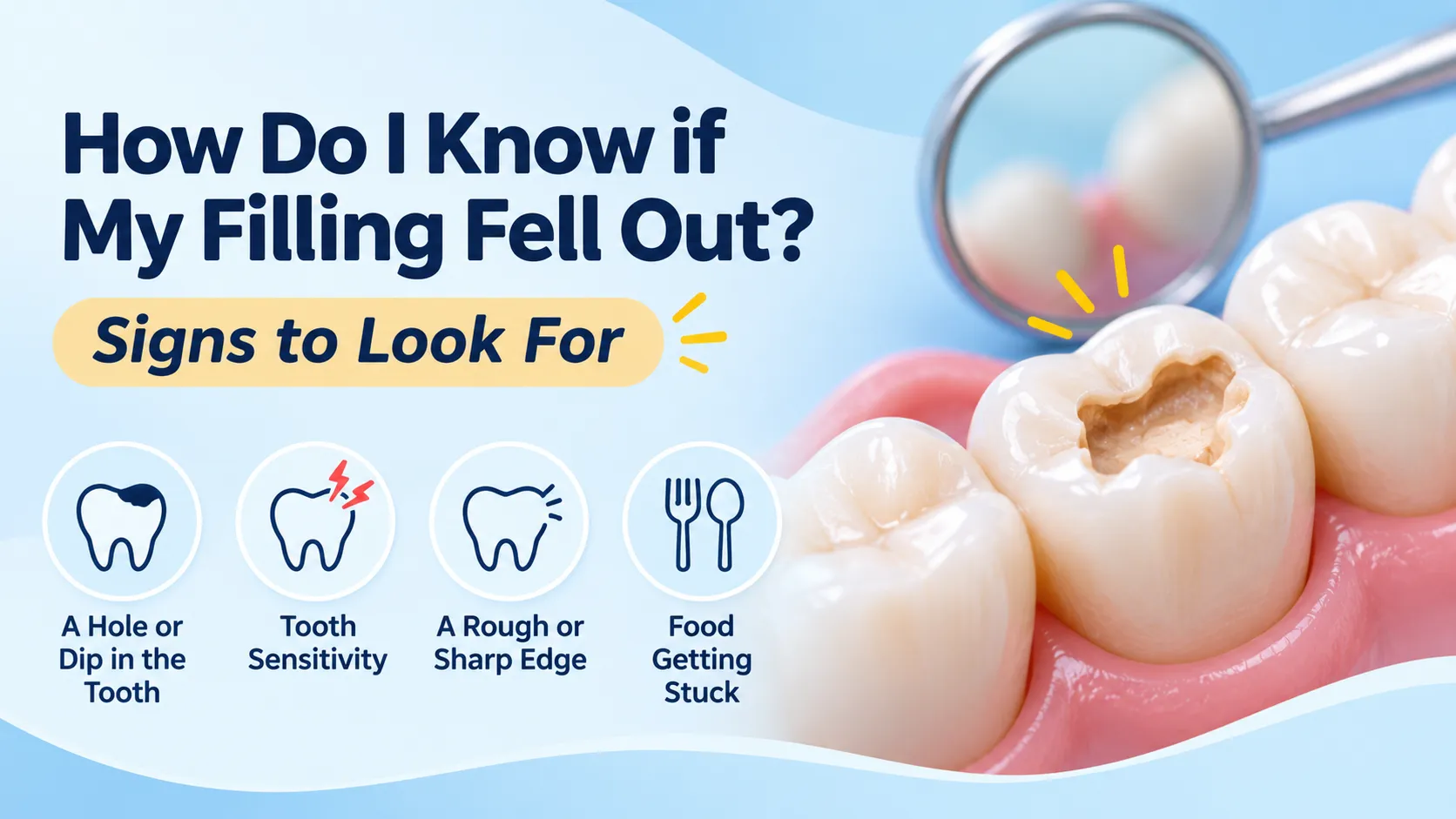
- New or worsening tooth sensitivity
- Loose teeth or a change in how your bite fits together
- Pus or a bad taste near the gums
Early treatment is simpler, less costly, and more effective. If you have severe pain or swelling, our emergency dentistry team offers same-day appointments.
Gum Health Care at Simply Smiles in Glendale, AZ
Dr. Juan Valencia has over 17 years of experience treating patients of all ages. He graduated from Temple University’s dental school and takes the time to explain every treatment option and answer your questions. At every exam, we check your gums, look for cavities, and screen for signs of oral cancer.
New patients can start with our $69 New Patient Special, which includes an initial consultation and X-rays (this offer cannot be combined with insurance). It’s a simple way to have your gums evaluated and get a personalized plan.
Our office at 7170 W Camino San Xavier, Suite A101, Glendale, AZ 85308 serves patients from Glendale, Arrowhead Ranch, Arrowhead Lakes, Sun City, Westbrook Village, Peoria, and nearby communities. We’re open Monday to Friday, 8 AM to 5 PM.
Frequently Asked Questions
What is the fastest way to stop gums from receding?
There’s no instant fix, but the most effective first steps are switching to a soft brush with gentle technique, flossing daily, and seeing a dentist to check for gum disease. Treating the underlying cause is what stops progression.
Can receding gums be reversed naturally?
Home remedies cannot regrow gum tissue. Good hygiene can prevent further loss and reduce inflammation, but restoring tissue usually requires professional treatment such as grafting.
Does brushing too hard cause gum recession?
Yes. Overbrushing, especially with a hard-bristled brush, can wear away gum tissue and enamel. Soft bristles and light pressure are safer.
Are receding gums a sign of gum disease?
Often, but not always. Recession can also come from aggressive brushing, genetics, grinding, or tobacco use. A dental exam can identify the cause.
At what age do gums start to recede?
Recession can begin in early adulthood but becomes more common with age, mostly because of cumulative wear and gum disease risk over time.
How much does it cost to treat gum recession?
Costs vary widely with severity and treatment type, from a deep cleaning to graft surgery. The best first step is an exam. At Simply Smiles, new patients can get a consultation and X-rays for $69, and all costs are explained before treatment begins.
Key Takeaways
- Gum recession is common but largely preventable.
- Gentle brushing, daily flossing, and regular dental visits are your best defense.
- Gum disease, tobacco, grinding, and genetics are major risk factors.
- Gum tissue doesn’t grow back on its own, so early action is critical.
- Persistent bleeding, sensitivity, or visible recession deserves a professional evaluation.
This article is for educational purposes and does not replace personalized dental advice. If you’re concerned about your gums, consult a licensed dentist.