
Oral hygiene mistakes can lead to cavities, gum disease, enamel damage, and expensive dental treatments later. The good news is that most common dental issues can be avoided with proper practices and habits. Most dentists in Glendale advise their patients to adopt simple practices that support dental care, promote gum health, and minimize the risks associated with poor oral hygiene.
These dental hygiene tips include effective toothbrushing practices, drinking plenty of water, and other preventive measures one can use in everyday life.
1. Brush Your Teeth the Right Way Twice Daily
Brushing your teeth is the foundation of oral defense, yet brushing for a few seconds is not enough. To safely remove biofilm, you must use a precise clinical technique.
- Use Fluoride Toothpaste: Fluoride acts as a topical treatment that actively remineralizes weakened enamel, repairing early microscopic weak spots before they turn into physical cavities.
- The Two-Minute Rule: Our Glendale dentist recommends brushing for at least two full minutes per session. Most people brush for less than a minute, leaving critical bacterial colonies behind on the back molars.
- Do Not Over-scrub Your Teeth: Over-brushing with hard-bristle toothbrushes may damage your protective enamel and lead to gum recession. Remember to always brush gently, holding your toothbrush at a 45-degree angle and using circular motions.
- Frequently Replace Your Toothbrush: Replace both manual and electric toothbrush heads every 3 to 4 months. The deterioration of bristle quality makes them inefficient and compromises safety.
- Emphasize Night Brushing: Saliva is your first line of defense for oral cavity hygiene. Its production decreases during sleep, giving bacteria an opportunity to multiply.
As noted in a WHO review, consistent use of fluoride toothpaste with mechanical brushing remains the most effective global technique for reducing the rate of carious cavities.
2. Never Skip Daily Flossing
If your home routine only consists of brushing, you are leaving roughly 35% to 40% of your tooth surfaces untouched. A toothbrush simply cannot physically squeeze into the tight spaces between your teeth, which is exactly where dangerous anaerobic bacteria thrive.
Flossing mechanically disrupts plaque beneath the delicate gumline, where it otherwise hardens into a mineralized substance called calculus or tartar. Once tartar forms, it cannot be brushed away at home and will continuously irritate your gum tissues.
Over time, this chronic inflammation leads to gingivitis, the early stage of gum disease. By making flossing a non-negotiable daily habit, you protect the bone and tissue that structurally support your teeth.
3. Limit Sugary Foods and Acidic Drinks
Tooth decay is not caused directly by sugar itself, but rather by an acidic byproduct. Your mouth houses billions of microbes; when you consume sugar, specific strains of bacteria feed on those carbohydrates and produce metabolic acid. This acid immediately attacks your teeth, lowering the pH in your mouth and stripping minerals from your enamel.
- Dietary Adjustments for Structural Oral Defense: To protect your teeth, it is helpful to understand which foods accelerate decay and what safer alternatives can help protect your smile.
- The Culprits: Highly processed sodas, energy drinks, sticky candies, citrus juices, and even dried fruits linger on the chewing surfaces of your molars for hours, causing prolonged acid exposure.
- The Safer Alternatives: Incorporate crunchy, high-fiber vegetables (such as celery and carrots), which mechanically clean teeth and stimulate saliva production. Plain yogurt, nuts, and cheeses are excellent choices because they are rich in calcium and phosphates, which actively help rebuild and strengthen enamel.
4. Stay Hydrated Throughout the Day

Drinking water is one of the easiest and most effective ways to reduce the risk of developing tooth decay. This happens because water serves as an excellent mouth rinse, flushing out food debris, acid residue, and any residual sugar from the food consumed.
Moreover, drinking enough water will ensure adequate saliva production, which is crucial for healthy teeth. Saliva has protective enzymes that fight off acid damage. Many family dentists also recommend drinking water throughout the day to help maintain a healthy oral environment.
Furthermore, drinking local municipal tap water provides a safe, low-dose exposure to fluoridation, which offers continuous structural protection for your family’s teeth throughout the day.
5. Schedule Regular Dental Checkups and Cleanings
Even if you have an impeccable home oral hygiene regimen, professional dental check-ups cannot be overlooked. Sometimes, microscopic plaque accumulates in hard-to-reach places, such as between the tooth and gum, and becomes hard tartar that can only be removed with specialized tools in a professional dental office. As part of professional dental cleaning and examination, this accumulated tartar is removed to prevent potential gum irritation.
Additionally, with low-radiation digital X-rays, a clinician can detect the problem before it causes the patient any pain.
6. Protect Your Teeth from Grinding and Injury
Mechanical tooth wear and structural fractures are caused by the severe forces of nocturnal bruxism. Many people unconsciously clench or grind their teeth during sleep due to stress or airway issues. This constant pressure flattens the chewing surfaces of your molars, cracks old fillings, and causes severe inflammation in your jaw joints. Failing to wear a custom nightguard leads to permanent enamel loss, chronic morning headaches, and long-term jaw misalignment that requires complex corrective therapy.
7. Avoid Tobacco Products
Severe gum tissue degeneration is directly caused by the toxic chemicals found in tobacco products. Tobacco smoking and chewing cause constriction of blood vessels within the mouth and thus lead to reduced oxygen and nutrient supply to the gums. This will reduce your immune system’s effectiveness in fighting bacterial infections, thereby slowing the body’s natural healing process. Chewing and smoking tobacco will cause the destruction of soft tissue attachment to bones, hence gum recession.
8. Pay Attention to Early Warning Signs

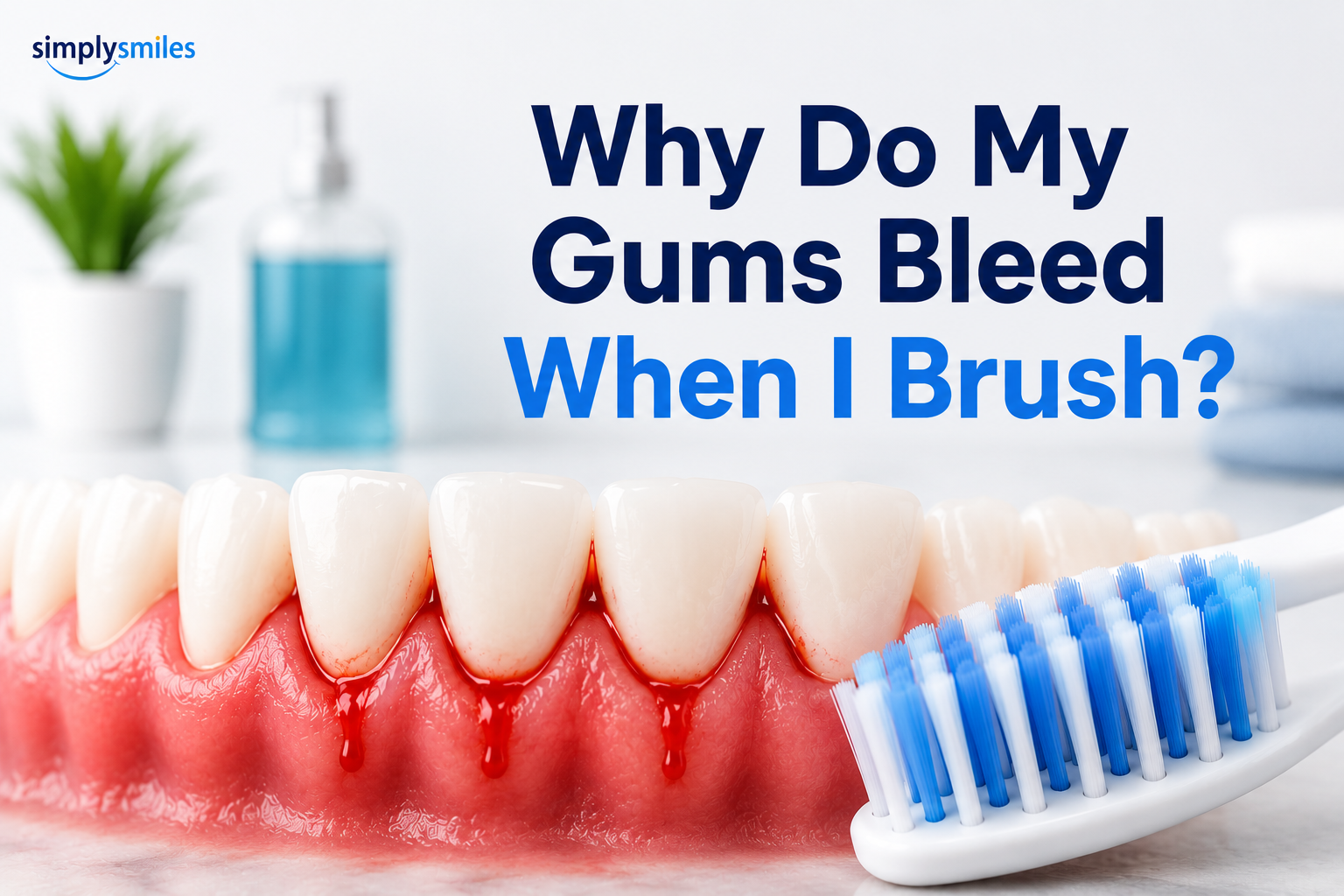
Neglecting minor symptoms is the leading cause of major dental emergencies. Pain is usually a late-stage indicator that a bacterial infection has already reached the sensitive nerve inside your tooth. Early signs such as bleeding gums, chronic bad breath, or mild sensitivity indicate that your oral tissues are currently under attack. Ignoring these warnings can allow a simple issue to develop into a severe abscess that spreads throughout your jaw and affects your overall health.
How a Glendale Dentist Helps Maintain Long-Term Oral Health
Achieving long-term oral health care requires a continuous partnership with local clinical experts who understand your unique health profile. Considering individual differences in genetics, systemic medical conditions, and lifestyle, a one-size-fits-all approach to oral hygiene is rarely effective.
The dentists from a local office develop individualized prevention plans customized to your daily routine and preferences. Using high-quality diagnostic methods, including digital intraoral cameras, combined with continuous patient education, local experts will show you how your smile works to resolve problems at an early stage and ensure optimal results over the years.
Final Thoughts
Taking care of your family’s oral health should never become an overwhelming experience. You only need to do a few things consistently at home and rely on qualified assistance. By following your daily schedule regarding proper brushing and flossing as well as drinking plenty of water, you will easily avoid emergencies and preserve your wellbeing for many years to come.
Frequently Asked Questions
How often should I brush my teeth?
Brush at least twice daily for 2 full minutes with fluoride toothpaste, paying extra attention to the back molars, where bacteria often accumulate.
Is flossing really necessary if I brush regularly?
Yes. Brushing misses up to 40% of tooth surfaces. Flossing removes plaque between your teeth and below the gumline, where your toothbrush can’t reach.
What foods should I avoid to protect my teeth?
Limit sodas, energy drinks, sticky candies, and citrus juices. These cause prolonged acid exposure that strips minerals from your enamel.
How often should I visit a Glendale dentist for checkups?
Most dentists recommend visiting every six months for professional cleaning and X-rays to catch problems early before they become painful or expensive.
What are the early warning signs of dental problems I shouldn’t ignore?
Bleeding gums, chronic bad breath, and mild tooth sensitivity are early signs of trouble. Ignoring them can allow minor issues to become serious infections.