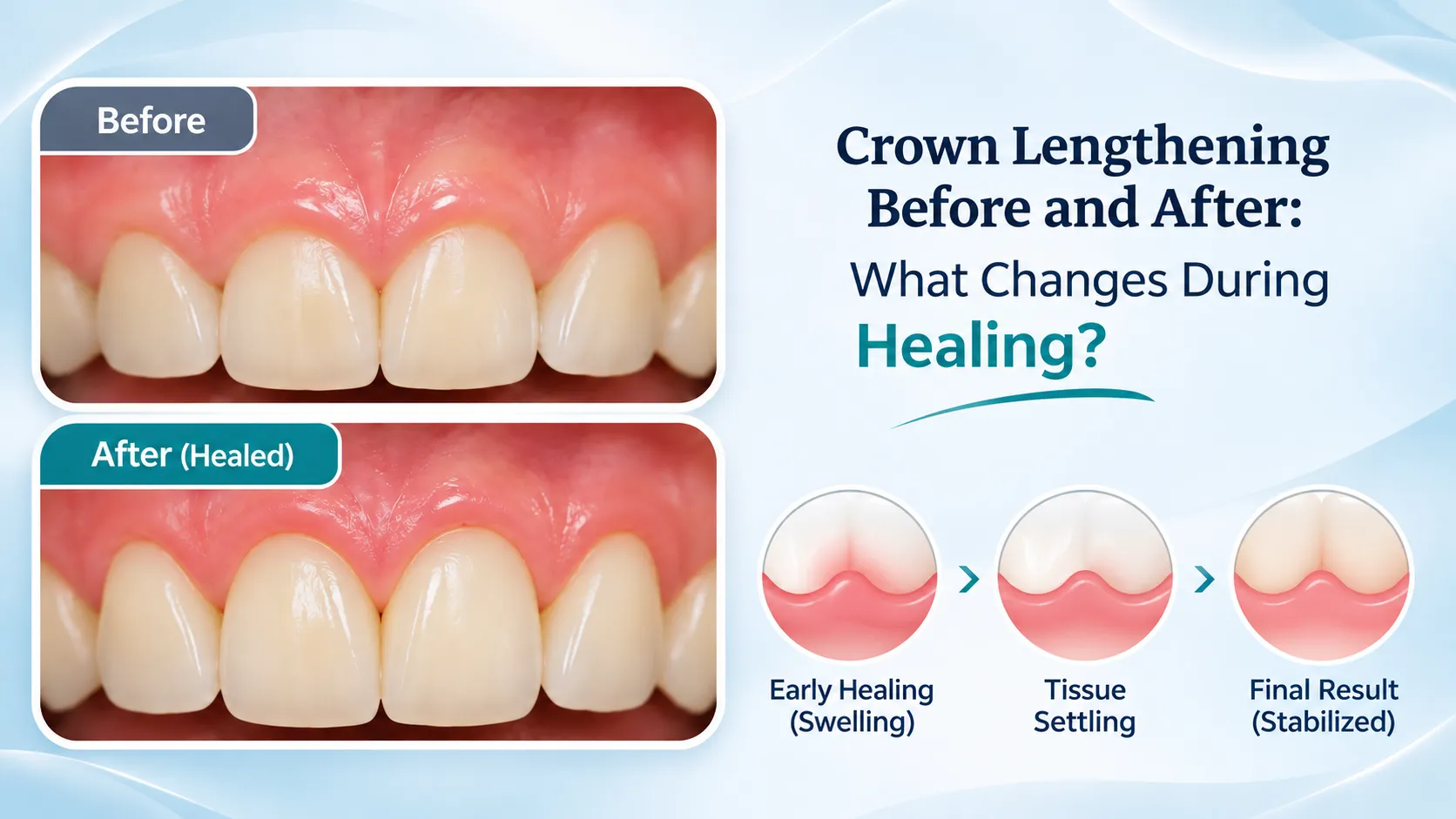
The most obvious difference when looking at before-and-after pictures of crown lengthening is the tooth structure that is exposed above the tooth’s gum line. A dentist or periodontist can move or remove gum tissue and, if necessary, remove some supporting bone to expose more of the tooth during the procedure. This can make the teeth look longer and change the relationship between the teeth and gums.
Crown lengthening may be performed to expose enough healthy tooth structure to support a restoration, such as dental crowns Glendale. It can also be used for cosmetic reasons, such as reducing excessive gum coverage and improving the appearance of a gummy smile. After surgery, the gums may appear swollen, uneven, or different. Keep in mind that a patient’s appearance immediately after surgery does not match the final healed appearance.
What Does Crown Lengthening Look Like Before and After?
The visual change depends on the intended procedure and how much tissue needs to be changed.
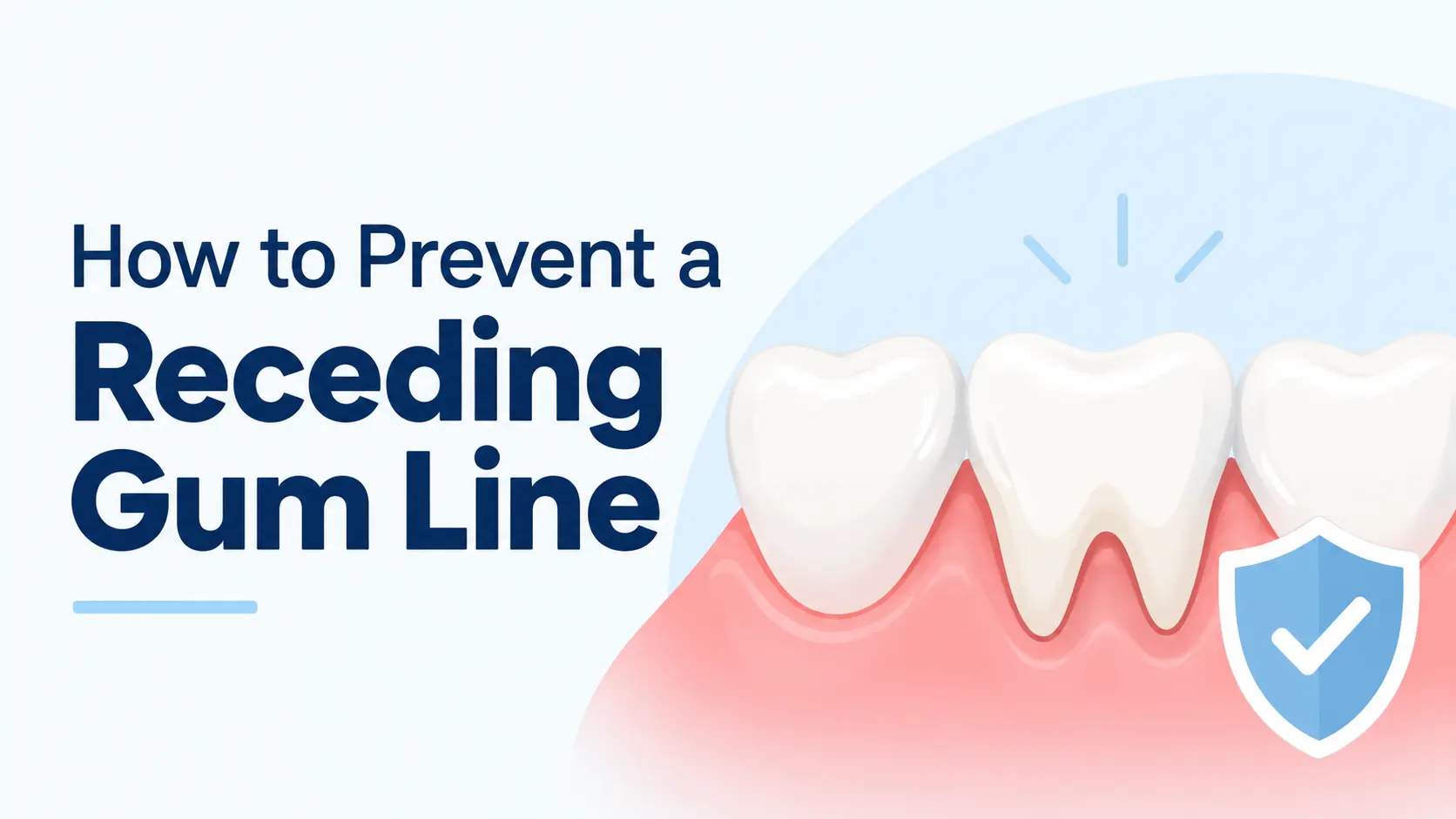
Gums may partially cover a tooth before treatment. Crown lengthening can open the gum line, expose more natural tooth structure, and position the gum line farther from the tooth’s edge.
In an esthetic case, the gum line can also be more evenly distributed across multiple teeth. This not only makes teeth look longer, but also enhances the overall look. When planning treatment, providers first consider the existing gumline, tooth shape, neighboring teeth, and the patient’s smile. Before-and-after photos may be helpful, but should always indicate when the “after” photo was taken.
Why Can Crown Lengthening Before-and-After Results Look So Different?
The final result depends heavily on the treatment’s purpose.
Restorative crown lengthening is done when you need to expose more healthy tooth structure to place a restoration (crown). The focus is to help the restorative treatment – not to alter the smile’s look.
Esthetic crown lengthening may be considered when excessive gum coverage affects smile proportions. In suitable cases, it may form part of a broader smile makeover plan. If appropriate, reshaping gumlines exposes more tooth surface and changes the tooth-to-gum ratio.
Because these objectives are unique, the results each individual sees before and after a crown lengthening procedure can vary greatly.
What Will Your Gums Look Like Immediately After Crown Lengthening?
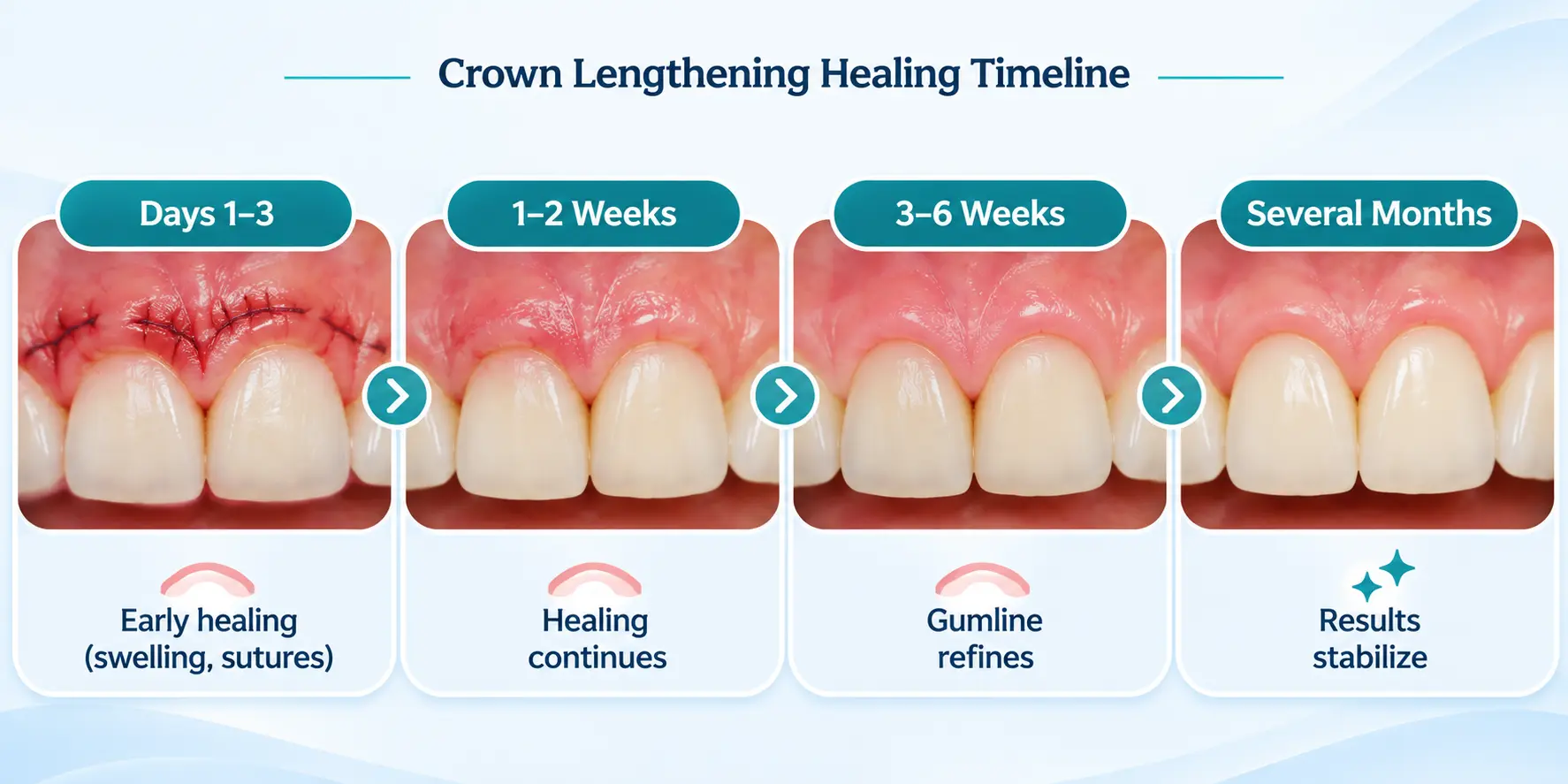
It can be surprising to see how your gums look immediately after surgery. They may appear swollen, tender, or red, and you may have sutures. Some postoperative bleeding can occur, but it differs from gum bleeding during brushing, which may be associated with plaque buildup, gingivitis, or brushing too hard. The gumline may also appear uneven during healing.
More tooth structure may be exposed, which may make your teeth look longer. This early appearance doesn’t necessarily reflect the final result.
As swelling decreases, the gum tissue gradually heals, and its contours become more defined. The gumline may continue to change over several weeks or months, so avoid judging the final appearance from photos taken immediately after surgery.
When Will You See the Final Crown Lengthening Result?
No one can predict exactly how long healing will take. Healing time for the gumline to mature depends on the procedure type, the extent of the gumline, whether the bone was altered, and the individual’s healing process.
| Healing Period | What Patients May Notice |
| First 1–3 days | Swelling, tenderness, and possible minor bleeding |
| First 1–2 weeks | Early gum healing and gradually decreasing swelling |
| Weeks 3–6 | Gum contours continue settling |
| Months 2–3 | Further soft tissue maturation |
| Months 3–6 or longer | Gumline may continue stabilizing, particularly after bone reshaping |
Mild swelling, tenderness, and temporary changes in the gumline are common after crown lengthening. However, contact your dentist or periodontist if you experience worsening pain, persistent bleeding, fever, pus, or increasing swelling during recovery.
Your tissues will be monitored at follow-up visits with your dentist or periodontist. When restorative treatment is considered, it may depend on the healing and stabilization of the gum tissue.
That’s where it becomes important to know when to take the “after” shot! An early post-op photo may show swelling and changes to the gumline; a later photo may help you visualize the mature gumline.
Why Do Teeth Sometimes Look Too Long After Crown Lengthening?
It’s normal for teeth to look longer after treatment because more tooth structure is exposed. However, the change may look larger than it is during early healing.
Gum contours can change and swell, which can affect the appearance of the teeth. The treatment may also alter the proportions of the gum tissue and, if needed, the bone, which can affect the final proportions.
For cosmetic cases, dentists consider the relationship between neighboring teeth and the overall gumline. A cosmetic dentist can help patients discuss their smile goals and understand which changes may be appropriate.
What Should You Look for in Crown Lengthening Before-and-After Photos?
When reviewing a crown lengthening before-and-after photo, look for differences that aren’t immediately apparent.
The following are characteristics of useful photographs:
- Similar camera angles
- Similar lighting
- Clear before-and-after labels
- The healing stage or date of the postoperative photo.
- Information about whether the procedure was restorative or cosmetic
- Good adjacent teeth to see the gumline and the proportions of teeth
Comparing a picture taken right after treatment with pictures taken several months after healing will not accurately reflect the healing process.
Before-and-after pictures can give you an idea of what to expect from your treatment, but they will not accurately predict how your gums might look in the end. Each individual’s tooth shape, gum line, bone contour, and treatment requirements vary.
Final Thoughts
Crown lengthening before-and-after results depend on the treatment goal, the amount of gum or bone reshaping, and how the tissues heal. Teeth may look longer immediately after surgery, but swelling and changes in gum contours can affect their appearance for several weeks or months.
Wondering what your final results will look like? Talk with your dentist or periodontist about your expected healing timeline and when your gumline should stabilize. Comparing photographs taken at similar angles and appropriate healing stages can help you better understand the changes.