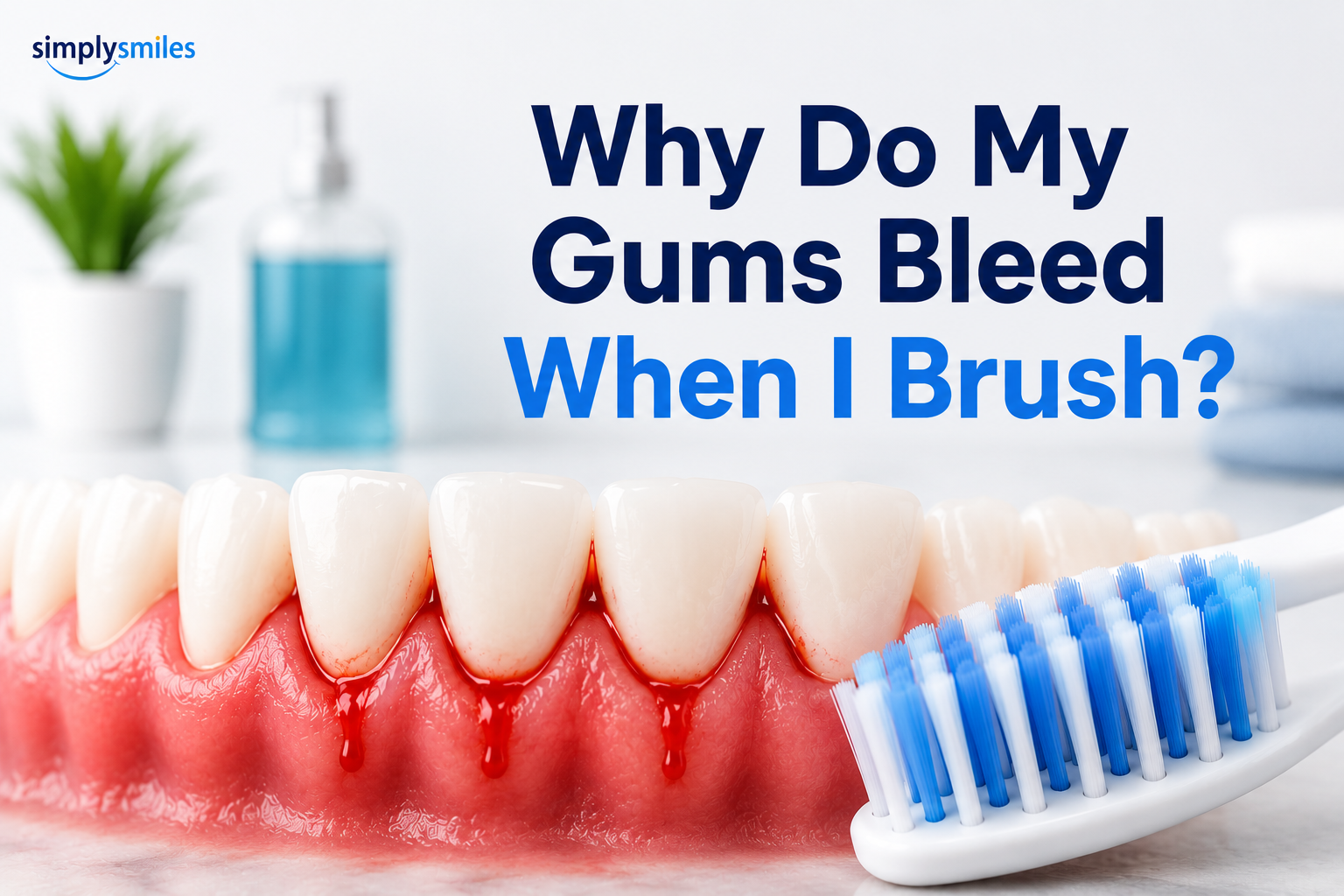
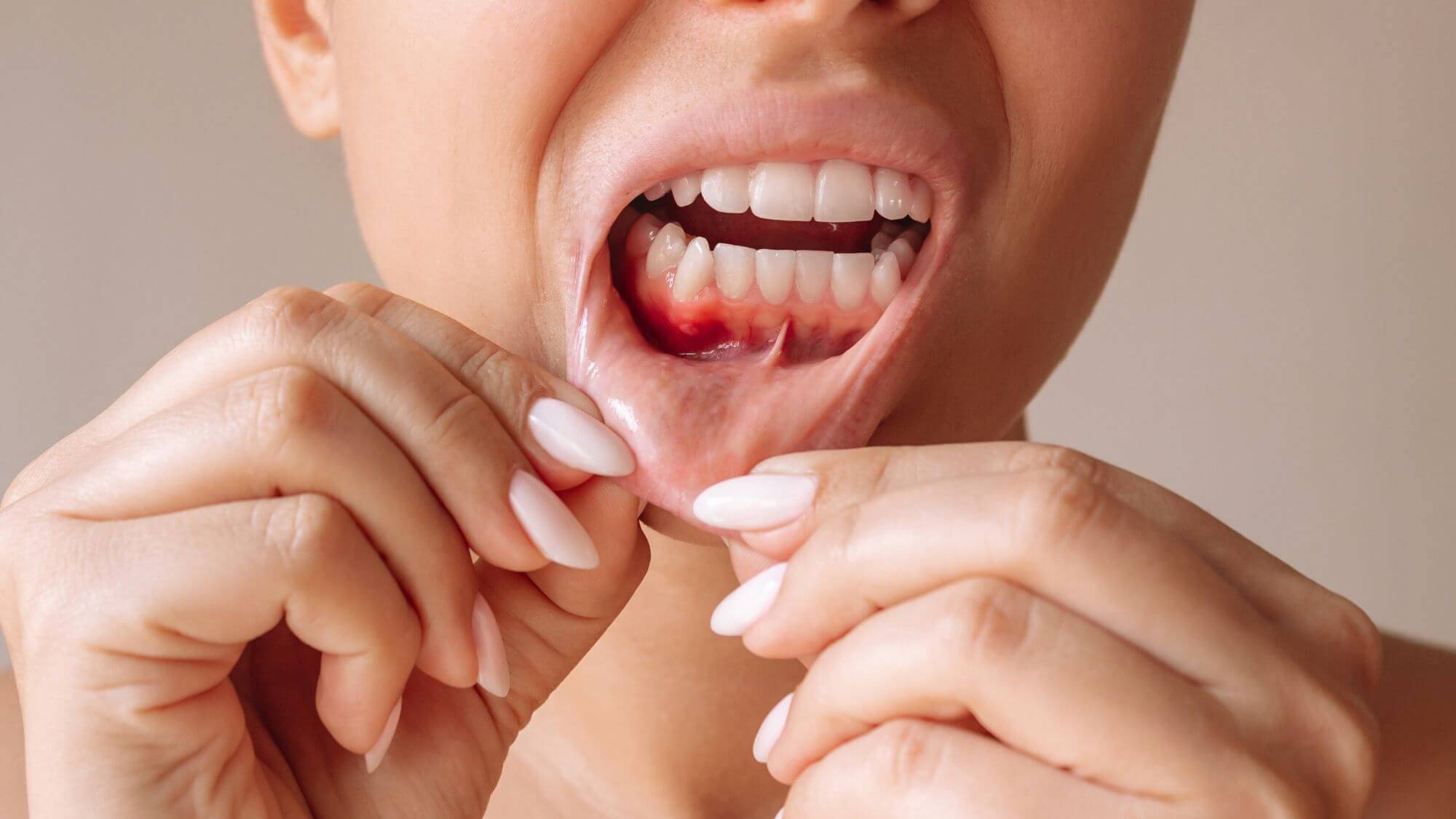
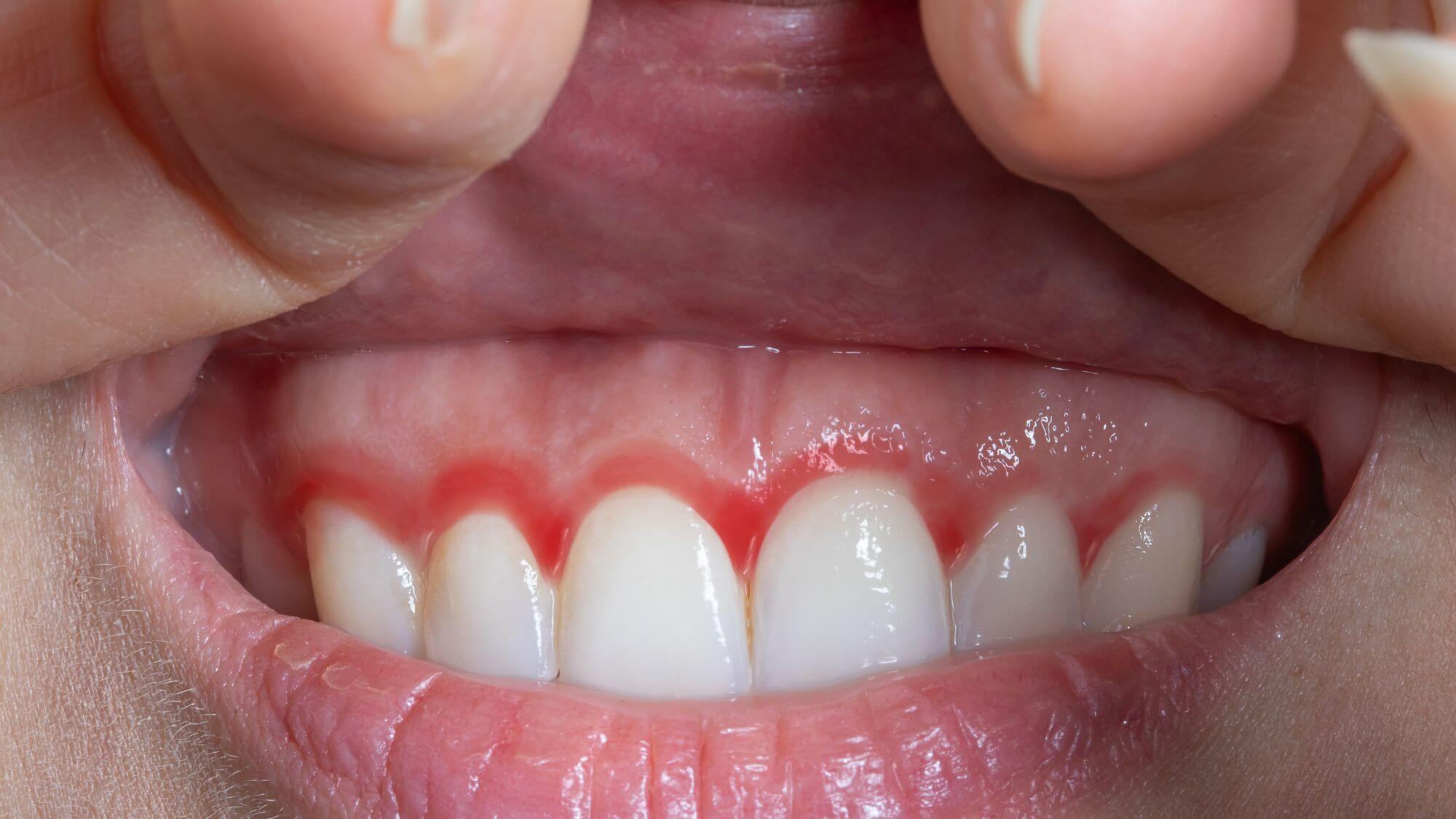
Gingivitis is an early form of gum disease. It causes your gums to become red, swollen, and prone to bleeding. It happens when Plaque (a sticky film of bacteria) builds up along your gumline and is not cleaned away.
The main cause is poor oral hygiene. When you skip brushing or flossing, bacteria grow quickly. Over time, this irritates your gum tissue and causes inflammation.
If you have gingivitis, your gums may bleed when you brush, look puffy or dark red, or feel sore. Some people also notice bad breath that does not go away. The good news is that gingivitis can be reversed. With the right care, your gums can return to full health.
Can You Get Gingivitis from Kissing?
Gingivitis itself is not contagious like a cold or flu. But the bacteria that cause it can be passed from one person to another through saliva. Kissing is one way this can happen.
If you kiss someone with gingivitis, their bacteria can enter your mouth. Whether those bacteria cause a problem depends on your own oral health. If you brush and floss regularly, your mouth can handle the extra bacteria. But if your gum health is already compromised, the risk increases.
Children are more at risk. A Healthline study on gingivitis transmission notes that kids can pick up gum disease bacteria from parents or caregivers through everyday close contact. This is why good oral hygiene for the whole family matters.
How Do People Get Gingivitis in Other Ways?
Kissing is not the only way gingivitis bacteria can spread. Any time saliva is shared, there is some level of risk.
Gingivitis from sharing drinks is a real possibility. When you sip from the same bottle or cup as someone else, bacteria travel with the saliva on the rim or in the liquid. Sharing forks, spoons, or straws works the same way.
Toothbrush sharing is the biggest concern. Using someone else’s toothbrush puts you in direct contact with their plaque and bacteria.
That said, exposure alone rarely causes gingivitis. It usually builds up over time because of poor oral care. As the Cleveland Clinic explains, gum disease is closely tied to daily hygiene habits. Keeping your mouth clean is your strongest protection against picking up someone else’s bacteria.
How to Prevent Gingivitis?
The best way to prevent gingivitis is to build a simple, consistent oral care routine. Most people who develop gum disease do so because plaque builds up over time, not from a single unlucky exposure.
The steps below cover every key area of gum health. They are easy to follow and make a real difference when done daily.
Brush with Fluoride Toothpaste
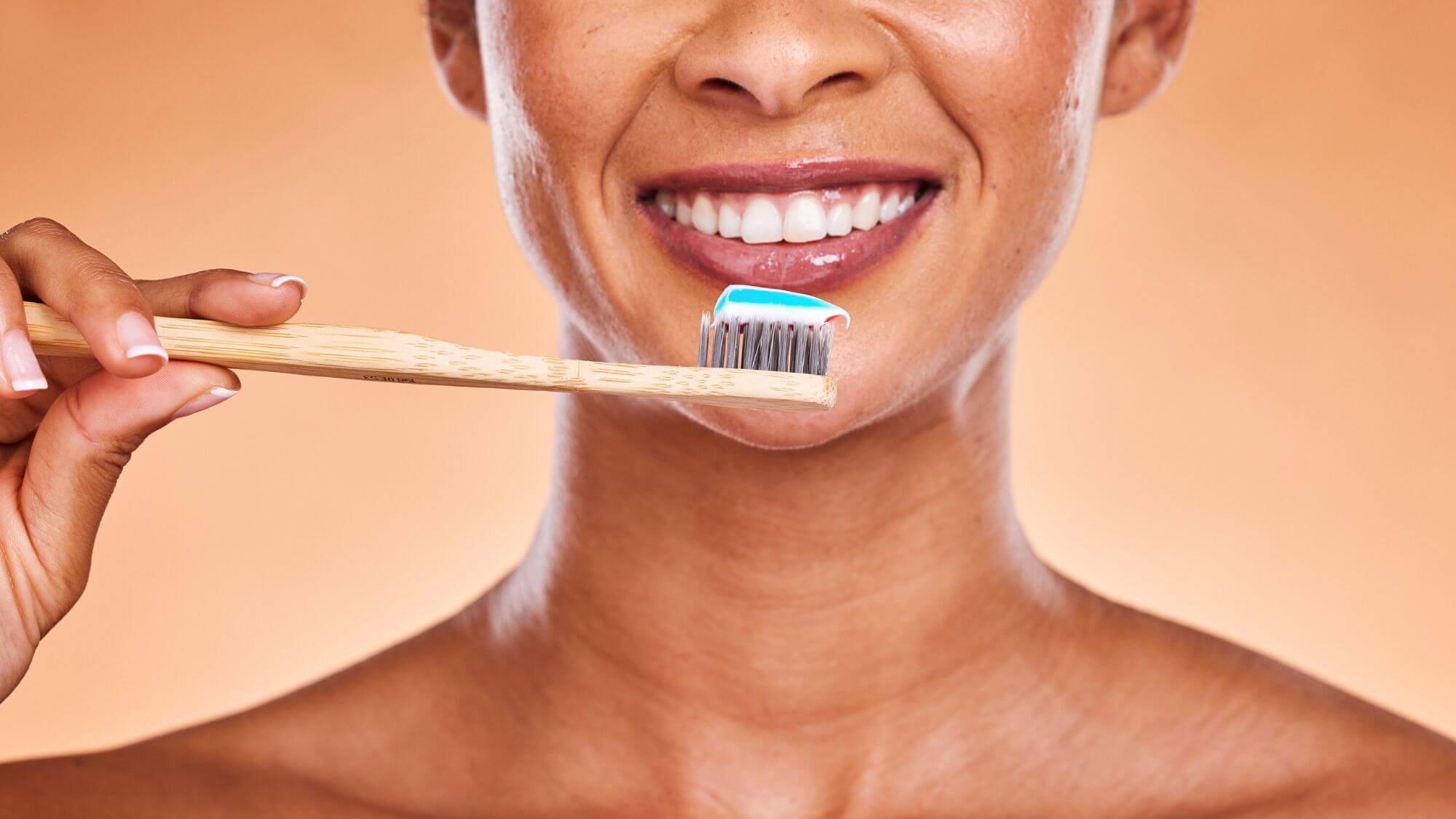
Brush twice a day using a fluoride toothpaste. Fluoride helps fight the bacteria that cause plaque. Use a soft-bristled brush and focus on the gumline where plaque hides the most. Replace your toothbrush every three to four months. A worn brush cannot clean your gums properly and may even irritate them.
Floss to Remove Plaque
Floss once a day to clean the tight spaces between your teeth. This is where plaque builds up that your toothbrush misses. Slide the floss gently under your gumline and curve it around each tooth to remove bacteria before they can cause irritation.
Use an Antibacterial Mouthwash
After brushing and flossing, rinse with an antibacterial mouthwash. Look for one that contains chlorhexidine or essential oils. These ingredients kill the bacteria that cause gum inflammation. Swish for the full time listed on the label and do not rinse with water right after, so the rinse keeps working.
Visit the Dentist Regularly
A dentist can remove hardened plaque (called tartar) that brushing at home cannot touch. Visit at least twice a year for a professional cleaning. If you are local, a Glendale dentist can check your gums for early signs of gingivitis and help you stay ahead of the problem.
Maintain a Healthy, Low-Sugar Diet
Sugar feeds the bacteria in your mouth that produce plaque. A low-sugar diet reduces the fuel those bacteria need to grow. Eat more vegetables, fruits, and calcium-rich foods like dairy. Drink plenty of water throughout the day. Water keeps saliva flowing, and saliva is your mouth’s natural defense against harmful bacteria.
Avoid Tobacco and Alcohol

Research from the National Library of Medicine has shown that smoking increases the risk of inflammation, gingivitis, and periodontitis by reducing blood flow to the gums and weakening the immune system. Alcohol dries out the mouth and lowers saliva, making it easier for bacteria to take over. Cutting both out significantly protects your gums.
Signs and Symptoms of Gingivitis
Gingivitis often has no pain at first. That is why many people do not notice it early. But there are clear signs to watch for.
- The most common sign is bleeding gums when you brush or floss. Healthy gums do not bleed. If yours do, it is a sign that your gum tissue is inflamed.
- Your gums may also look redder than normal, feel puffy, or be sore to the touch.
- Bad breath that does not go away, even after brushing, is another warning sign. The bacteria in inflamed gums release sulfur compounds that cause this smell.
If you notice any of these signs, see your dentist soon. Catching gingivitis early means it can be fully reversed. Waiting too long can lead to serious gum disease, which can damage the bone around your teeth.
Is There Treatment for Gingivitis?

The good news is that gingivitis treatment is straightforward, especially when caught early. Your dentist in Glendale will start with a professional cleaning to remove plaque and tartar from below the gumline. This alone can make a big difference. After that, sticking to a daily brushing and flossing routine is usually all it takes to get your gums back to full health.
If your case is mild, gingivitis treatment at home can go a long way. Brush twice a day, floss every night, and rinse with an antibacterial mouthwash. Cut back on sugary foods and drink more water. Most people see clear improvement within a few weeks just by being consistent with these habits.
Other Treatment Options:
- Scaling and root planing is a deep cleaning done by your dentist to remove tartar from below the gumline.
- Prescription mouth rinses with chlorhexidine are sometimes given by dentists for more stubborn cases.
- Saltwater rinses at home can reduce swelling and gently, naturally kill bacteria.
- Vitamin C helps your gum tissue heal faster, so adding it to your diet is a simple home step.
- Oil pulling with coconut oil for a few minutes daily may help lower plaque levels over time.
The Bottom Line
Gingivitis is very common, but it should not be ignored. While it is not contagious like a cold, the bacteria behind it can spread through shared saliva. Kissing, drinks, and utensils all carry some risk.
The good news is that gingivitis is very easy to prevent. Brush twice a day, floss daily, use a good mouthwash, and see your dentist at least twice a year. Avoid tobacco and cut back on sugar. These steps are simple, but they work.
If your gums are already bleeding or swollen, do not wait. Early gingivitis responds very well to treatment. Clean up your routine, book a dental visit, and your gums can be back to full health in a short time.
Frequently Asked Questions
Is gingivitis contagious by kissing?
Yes, the bacteria that cause gingivitis can pass through kissing. But good oral hygiene greatly lowers your risk of developing it.
Is it safe to kiss someone with gingivitis?
It carries some bacterial risk. It is safer to wait until the condition is treated before close contact.
Does gingivitis go away?
Yes. With better brushing and flossing, along with a professional dental cleaning, gingivitis is fully reversible in most people.
Can someone with gingivitis give oral?
The bacteria can be transferred through close oral contact. It is best to treat gingivitis first before any intimate activity.
Can people smell my gingivitis?
Yes. Bacteria in inflamed gums release odor-causing compounds, leading to persistent bad breath that brushing alone may not fix.
How long does it take for gingivitis to heal?
With good home care and professional cleaning, most people see improvement within 1 to 2 weeks.