A toothache never picks a convenient time. It often shows up at midnight, on a weekend, or right before something important. The good news is you can usually ease the pain within minutes with a few simple steps: a warm saltwater rinse, a cold compress, and an over-the-counter pain reliever taken as directed.
The honest part is that these steps manage tooth pain but don’t fix the cause. This guide covers what works, what to avoid, how to get through the first 24 hours, and the warning signs that mean you should stop treating it yourself and get professional care.
The Fastest Ways to Ease a Toothache Right Now
If you are in pain as you read this, start here:
- Rinse gently with warm salt water to clean the area and calm irritated tissue.
- Hold a cold compress against your cheek for 15 to 20 minutes.
- Take an over-the-counter pain reliever as directed on the label, if it is safe for you.
- Prop your head up with an extra pillow so blood does not pool in the painful area.
- Avoid very hot or very cold foods, sugary foods, and hard foods on the side of your mouth with the pain.
- Call a dentist, since pain that lasts more than a day or two needs an exam.
Each step is explained below, along with why.
Why Does a Tooth Start Hurting?
Tooth pain happens when the nerve inside the tooth, or the surrounding tissue, becomes irritated, inflamed, or infected. Knowing the likely cause helps you judge how urgent the problem is.
Tooth Decay and Cavities
Decay is the most common cause of toothaches. Once a tooth cavity breaks through the hard outer enamel, bacteria and sugars reach the softer layer beneath, close to the nerve. Early cavities cause brief twinges with sweets or cold drinks. Deeper ones cause Lasting or throbbing pain.
Cracked or Damaged Teeth
A crack lets temperature changes and chewing pressure reach the nerve. The pain is often sharp, comes and goes, and shows up when you bite down or release your bite. Loose or leaking fillings and worn crowns cause similar symptoms.
Gum Problems and Abscesses
Infected gums can ache, bleed, and swell around a tooth. A dental abscess is a pocket of infection at the root or in the gum. It usually causes constant, pulsing pain and can make the area swollen and tender to the touch.
Wisdom Teeth, Grinding, and Sinus Pressure
Wisdom teeth that are growing in at an angle can cause pain and swelling at the back of the jaw. Clenching or grinding your teeth can cause a dull ache across several teeth. Sinus pressure can also make your upper back teeth feel sore, which is why a toothache sometimes comes with a cold or congestion.
What Your Toothache Is Trying to Tell You
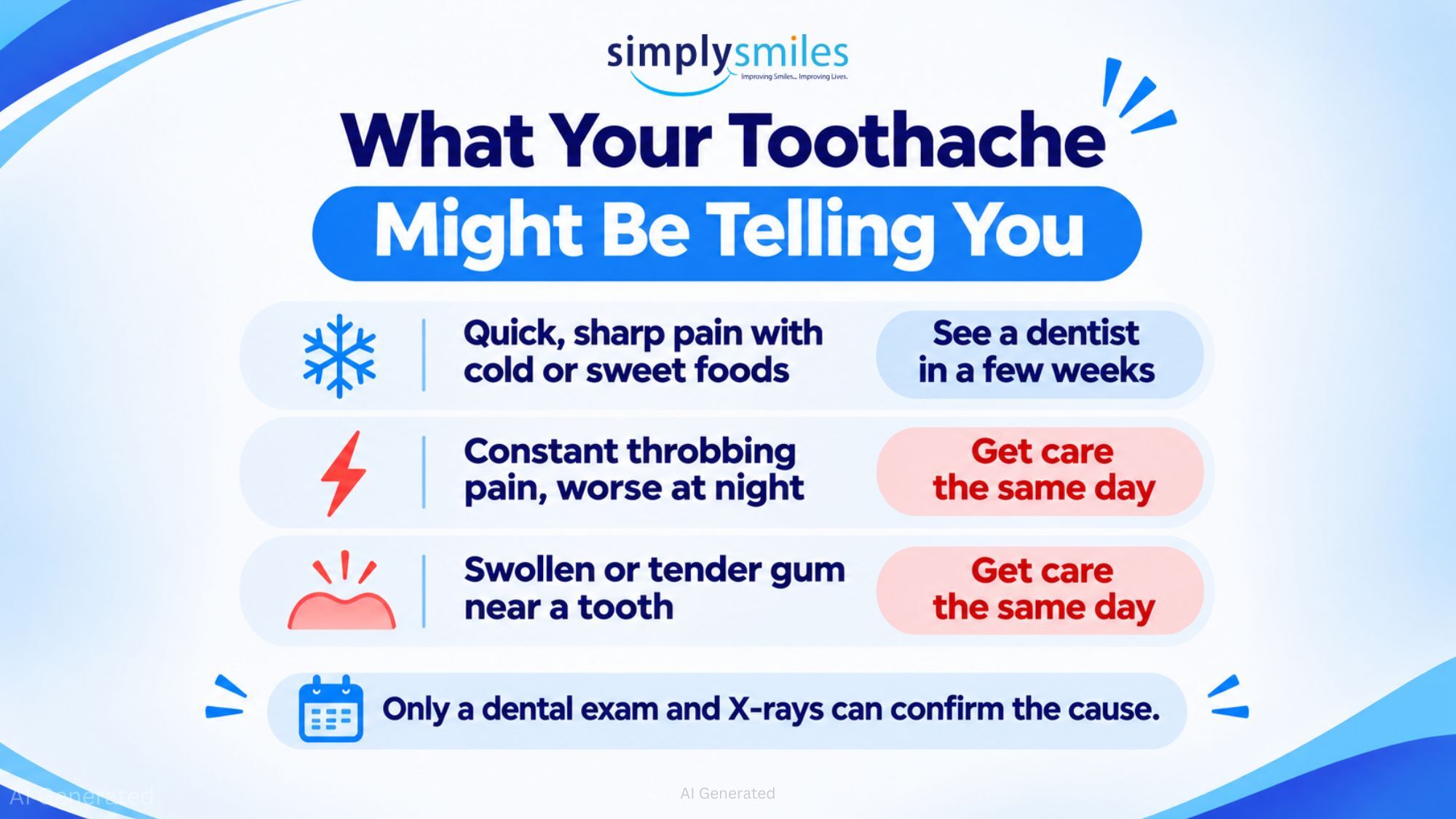
The way the pain feels offers useful clues. This is a rough guide, not a diagnosis, because only an exam and X-rays can confirm the cause.
| What You Feel | Possible Cause | How Soon to Get Care |
| Brief sharp twinge with cold, hot, or sweet | Early decay, worn enamel, exposed root | Within a few weeks |
| Sharp pain when you bite and release | Cracked tooth or loose filling | Within a few days |
| Dull ache that lingers after hot or cold | Deeper cavity or irritated nerve | Within a day or two |
| Constant throbbing, worse when lying down | Infected nerve or abscess | Same day |
| Swollen, tender gum near one tooth | Gum infection or abscess | Same day |
| Aching across several upper teeth with congestion | Sinus pressure | Dentist or doctor if it persists |
| Jaw soreness and morning headaches | Grinding or clenching | Routine visit |
Some patients notice that the pain flares with certain movements. If your tooth hurts when you move your head suddenly, our article on shaking your head explains why that kind of pressure sensitivity often points to inflammation or infection.
7 Safe Ways to Stop Tooth Pain Fast at Home
These steps are meant to bridge the gap until you can be seen. They do not treat the underlying problem.
1. Rinse With Warm Salt Water
Stir half a teaspoon of salt into eight ounces of warm water. Swish it gently around the sore area for about 30 seconds, then spit it out. Salt water helps clear loose debris and can calm irritated gum tissue. Repeat this a few times a day. Do not swallow it, and skip it if you have been told to limit sodium.
2. Use a Cold Compress
Wrap an ice pack or a bag of frozen vegetables in a thin cloth and hold it against the outside of your cheek for 15 to 20 minutes. Cold narrows blood vessels, which can reduce swelling and dull the pain signals. Take breaks between rounds to avoid irritating your skin.
3. Take an Over-the-Counter Pain Reliever
Ibuprofen or acetaminophen can help with toothache pain when used as directed. Never take more than the label allows, and never place a tablet directly on the tooth or gum, because that can burn the tissue.
Medication is not safe for everyone. If you have kidney or stomach problems, take blood thinners, are pregnant, or take other prescriptions, check with a doctor or pharmacist first. The American Dental Association also notes that pain medicine only masks symptoms, which is why a dental exam is still needed.
4. Keep Your Head Elevated
Lying flat increases blood flow to your head, which can worsen throbbing. Use an extra pillow or two to keep your head above your heart, especially at night.
5. Clean the Area Gently
Trapped food can irritate an already sore tooth. Brush gently with a soft toothbrush and fluoride toothpaste, then carefully slide floss between your teeth. Don’t force floss into swollen gums.
6. Avoid Foods and Drinks That Trigger Pain
For now, skip ice cream, hot coffee, sodas, and sticky sweets. Avoid hard or crunchy foods such as nuts and chips, and chew on the opposite side. Soft, lukewarm foods such as yogurt, eggs, and soups are easier on a sensitive tooth.
7. Protect a Broken Tooth or Filling Temporarily
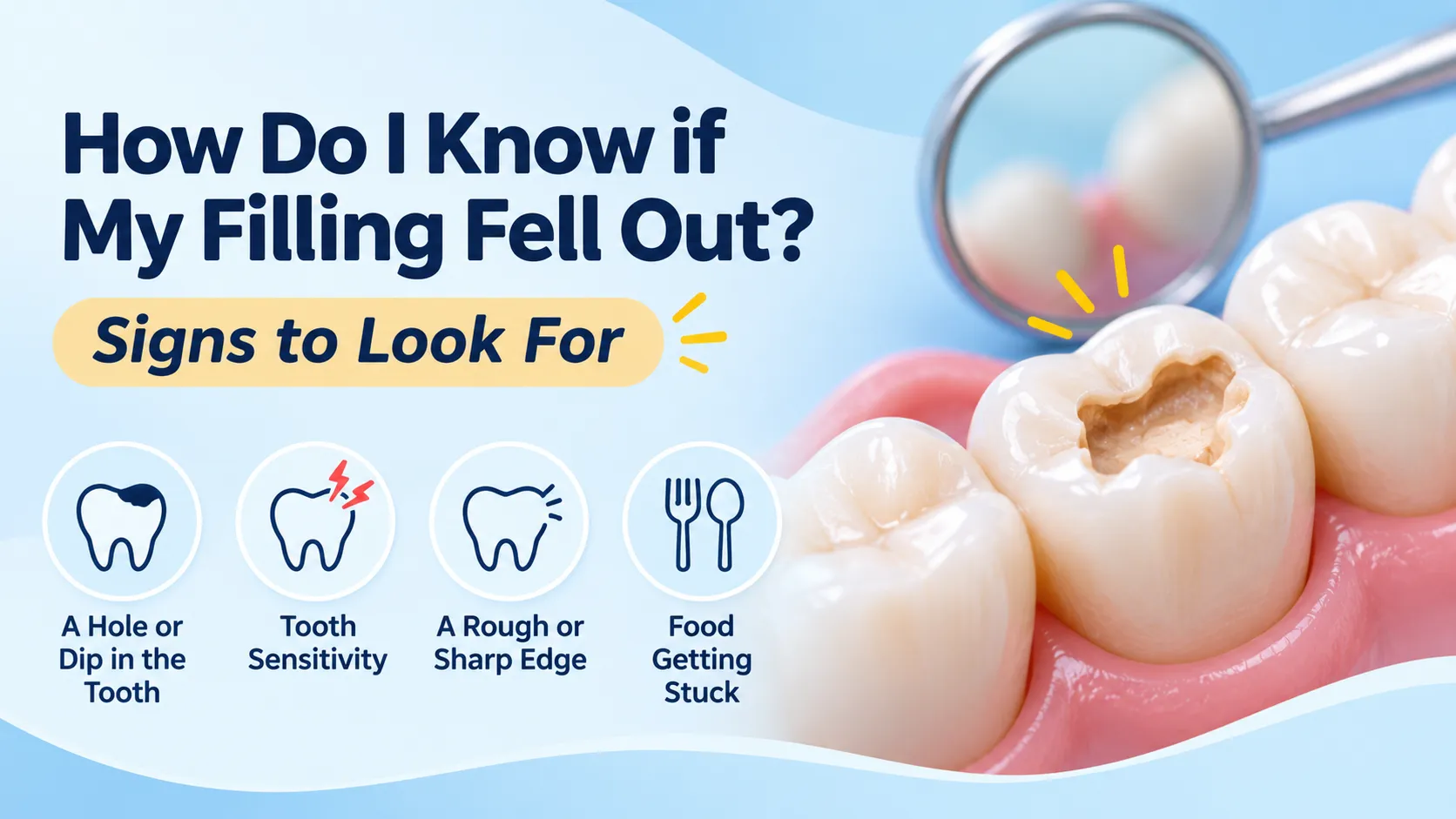
If a filling fell out or a tooth chipped, a sharp edge can cut your tongue and cheek. Over-the-counter dental wax or temporary filling material from a pharmacy can cover it for a short time. This is only a stopgap until a dentist repairs it.
Home Remedies to Skip
Not every home remedy is safe. Some can make the problem worse.
- Aspirin on the gum: Dissolving aspirin against the gum can burn the soft tissue.
- Heat on a swollen cheek: Warmth can increase swelling when infection is present.
- Undiluted hydrogen peroxide, rubbing alcohol, or bleach: These can damage healthy tissue.
- Popping or draining a gum bump: This can push bacteria deeper into the face and jaw.
- Leftover antibiotics: They may not match your infection and can contribute to resistance.
Kitchen remedies are also popular. If you are wondering whether vanilla extract can numb a toothache, the short answer is that it may offer brief comfort at best, and it does nothing for the cause underneath.
A Simple Plan for the First 24 Hours
When you cannot get to a dentist right away, a routine helps you stay comfortable and safe.
- In the first hour: Rinse with warm salt water, clean gently around the tooth, and take an appropriate pain reliever if you can.
- Over the next few hours: Use a cold compress in 15- to 20-minute rounds, eat soft foods, and avoid chewing on the sore side.
- Through the evening: Keep your head elevated, avoid sugary drinks, and brush gently before bed.
- The next morning: Call a dentist, even if the pain has eased. Describe what the pain feels like, how long it has lasted, and whether you have any swelling or fever.
Tooth Pain at Night: How to Sleep Through It
Toothaches often feel worse at night. Partly because lying flat sends more blood to your head, and partly because there are fewer distractions. To get through the night, elevate your head, use a cold compress before bed, and avoid sugary or acidic snacks late in the evening. If pain wakes you up repeatedly or stops you from sleeping, treat it as a sign that you need a prompt dental visit.
When Tooth Pain Is a Dental Emergency
Some toothaches signal an infection that can spread. Seek urgent care if you notice:
- Swelling in your face, cheek, jaw, or under the eye
- Fever or chills along with tooth pain
- Pus, a bad taste, or a gum bump that drains
- Trouble opening your mouth
- Severe pain that will not let you eat, work, or sleep
- A knocked-out, cracked, or broken tooth after an injury
An untreated dental abscess can spread beyond the tooth. If you want to understand the risks, our post on how a tooth infection can progress explains why waiting it out is a bad idea.
Go to the emergency room right away if swelling spreads toward your eye, throat, or neck, or if you have trouble breathing or swallowing. According to the Mayo Clinic, fever and facial swelling, especially if you can’t reach your dentist, are reasons to go to the ER.
Why Tooth Pain Sometimes Goes Away on Its Own
It is tempting to relax when a severe toothache suddenly stops. Unfortunately, that is not always good news. When an infection destroys the nerve inside a tooth, the pain can vanish while the bacteria keep spreading into the surrounding bone and gum. A tooth that hurt badly and then went quiet still needs an exam.
How a Dentist Treats the Cause of Tooth Pain
Home care buys time. Treatment is what actually ends the pain. Here is what to expect.
The Exam and X-Rays
Your dentist will ask about your symptoms, check the tooth and gums, test how the tooth responds to pressure and temperature, and take X-rays to look beneath the surface. This is how hidden decay, cracks, and abscesses are found.
Fillings and Crowns
If decay or a crack is the cause, a filling or crown can seal and protect the tooth. Treating it early usually means a simpler, more comfortable visit.
Root Canal Therapy
When infection or inflammation reaches the nerve, a root canal removes the damaged tissue, cleans the inside of the tooth, and seals it. The goal is to relieve the pain and save the tooth rather than remove it.
Extraction
When a tooth cannot be saved, removing it stops the source of pain and infection. Your dentist will talk through replacement options afterward.
Same-Day Relief for Emergencies
If your pain is severe or sudden, an emergency dentist can see you quickly to find the cause and begin treatment. At Simply Smiles, we make same-day appointments available for dental emergencies, so calling early in the day gives you the best chance of being seen.
How to Prevent Toothaches
Most toothaches are preventable. A few habits make a big difference:
- Brush twice a day with fluoride toothpaste and clean between your teeth daily
- Limit sugary snacks and drinks, especially between meals
- Replace worn toothbrushes every three to four months
- Wear a mouthguard if you grind your teeth or play contact sports
- Avoid chewing ice, hard candy, or opening packages with your teeth
- Visit the dentist regularly so small problems are caught before they hurt
Frequently Asked Questions
What is the fastest way to stop tooth pain?
A combination works best: a warm saltwater rinse, a cold compress, and an appropriate over-the-counter pain reliever. This eases symptoms for a few hours but does not treat the cause, so schedule a dental visit.
How long can a toothache last before I need to see a dentist?
If pain lasts more than a day or two, keeps coming back, or wakes you at night, book an appointment. If you have swelling or fever, do not wait.
Can a toothache go away on its own?
Mild sensitivity may settle, but a toothache caused by decay, a crack, or infection will not heal on its own. Pain that disappears suddenly can mean the nerve has died, so an exam is still important.
Is it safe to take ibuprofen and acetaminophen for tooth pain?
For many adults, either one can be used according to the label directions. They are not right for everyone, so ask a doctor or pharmacist if you have health conditions, are pregnant, or take other medications.
Should I use heat or cold for a toothache?
Use cold on the outside of the cheek. Heat can increase swelling, especially if there is an infection.
Does clove oil help a toothache?
Clove oil is a traditional remedy that some people use for temporary numbing, but it can irritate the gums and mouth if used undiluted or too often. It doesn’t treat the cause, so use it only as a short-term measure and see your dentist.
Get Same-Day Tooth Pain Relief in Glendale, AZ
You do not have to suffer through another sleepless night. Dr. Juan Valencia and the team at Simply Smiles see patients of all ages and offer same-day emergency appointments. If you are looking for a dentist in Glendale who can diagnose the cause of your pain and treat it comfortably, we are ready to help.