
Bleeding gums when you brush. A bit of swelling along the gumline. Breath that never quite feels fresh. If this sounds familiar, you have probably searched for a way to fix it yourself, without booking an appointment.
Here is the honest answer. Early gum disease can often be reversed at home with the right habits. Advanced gum disease cannot be cured at home, no matter what a remedy promises. The trick is knowing which stage you are in, and a dental professional can confirm that quickly.
This guide explains what you can safely do on your own, which popular remedies do not work, and when it is time to get help. If you are looking for a dentist in Glendale, AZ, Simply Smiles Arrowhead is here to help.
What Is Gum Disease?
Gum disease, also called periodontal disease, is an infection and inflammation of the gums and the bone that support your teeth. It starts when plaque, a sticky film of bacteria, builds up along the gumline. If plaque is not removed, it hardens into tartar, which a toothbrush cannot remove. The bacteria in tartar irritate the gums and keep the infection going.
Gum disease is very common. According to the CDC, about 42% of adults aged 30 and older have periodontitis, and roughly 8% have the severe form. Many people have it without realizing it, because early gum disease is often painless.
The Two Main Stages: Why They Matter
Gingivitis (Early Stage)
Gingivitis is the mildest form. Signs include red, puffy, or tender gums and bleeding when you brush or floss. At this stage, the damage is limited to the gums, and the bone is not affected. Gingivitis is preventable and reversible with good oral hygiene and professional care.
Periodontitis (Advanced Stage)
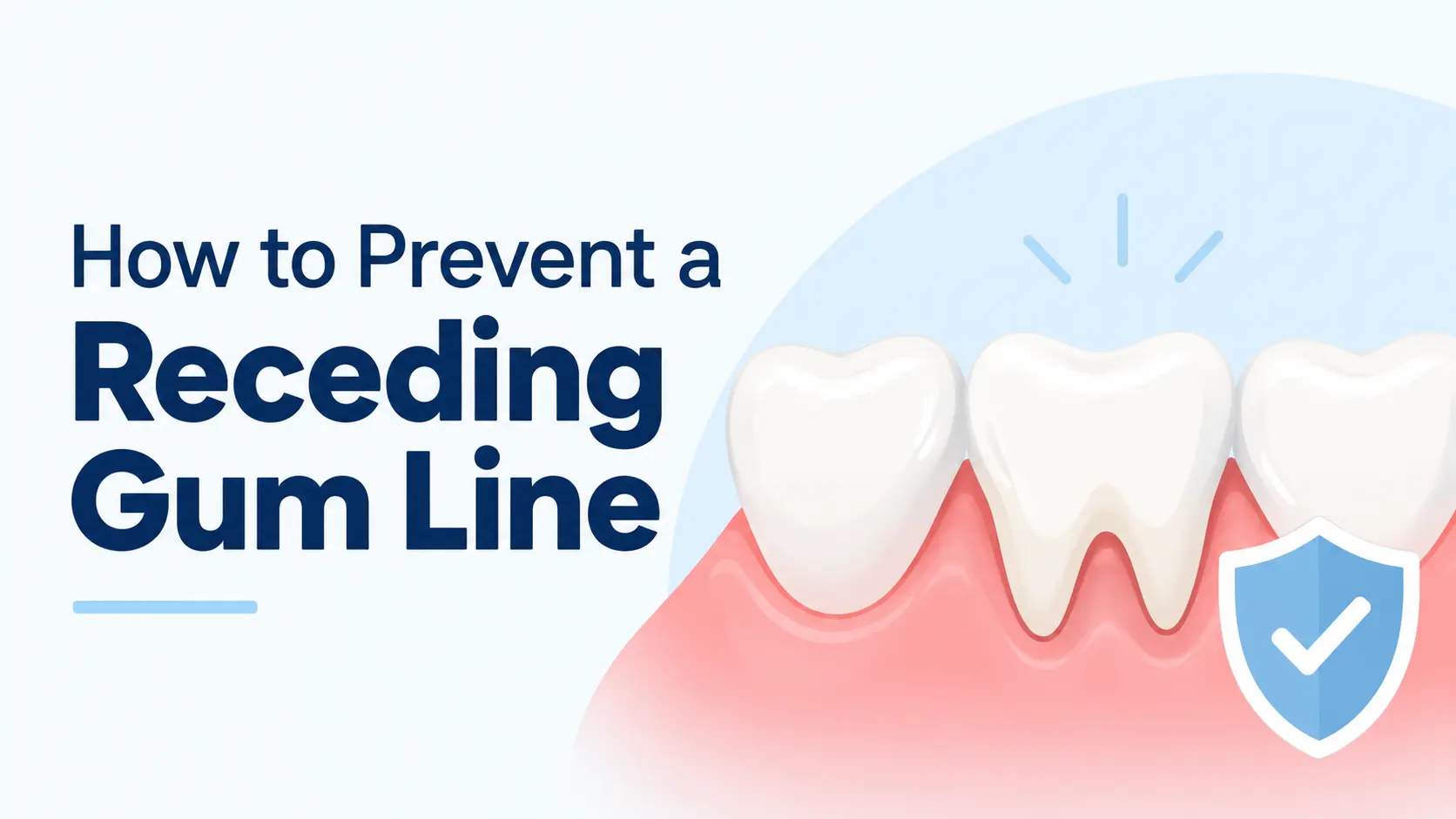
If gingivitis is left alone, it can progress to periodontitis. The gums begin to pull away from the teeth, forming pockets where bacteria collect. Over time, the infection destroys the bone that holds your teeth in place. Periodontitis is a leading cause of tooth loss. It cannot be cured at home, and the lost bone does not grow back on its own. It can only be managed and slowed with professional treatment.
This is the key point. Home care can reverse gingivitis, but it cannot fix periodontitis.
Signs You Might Have Gum Disease
Watch for these symptoms:
- Gums that bleed when you brush or floss
- Red, swollen, or tender gums
- Persistent bad breath or a bad taste
- Gums that look like they are pulling away from your teeth
- Teeth that look longer than before
- Loose or shifting teeth
- Pus around the gums or teeth
- Changes in how your teeth fit together when you bite
If you notice loose teeth, pus, or receding gums, don’t rely on home care. These are signs of a more advanced problem.
What You Can Do at Home for Early Gum Disease
If your symptoms are mild, these steps can make a real difference. Consistency is what matters most.
1. Brush Twice a Day, Properly
Brush for two full minutes, morning and night, using a soft-bristled toothbrush and fluoride toothpaste. Angle the bristles toward the gumline and use gentle circular motions. Brushing too hard can irritate the gums and make them recede, so be gentle. An electric toothbrush with a pressure sensor can help if you tend to scrub too hard.
2. Floss Every Day
Brushing alone cleans only part of each tooth. Flossing removes the plaque between your teeth, where most gum problems begin. Your gums may bleed during the first week or two when you start flossing regularly. This usually signals inflammation and should improve as your gums heal. If you do not like string floss, try floss picks, interdental brushes, or a water flosser.
3. Use an Antibacterial Mouthwash
A mouthwash approved for gum health can help reduce bacteria and plaque. Look for the ADA Seal of Acceptance, and avoid using mouthwash as a replacement for brushing and flossing. It is an extra step, not a substitute.
4. Rinse With Warm Salt Water
A saltwater rinse will not cure gum disease, but it can soothe irritated gums and temporarily reduce discomfort. Mix half a teaspoon of salt in a cup of warm water, swish gently, and spit. Do not swallow it.
5. Eat for Healthy Gums
A balanced diet supports your body’s ability to fight inflammation. Eat plenty of vegetables, fruit, and protein, and limit sugary snacks and drinks that feed the bacteria in your mouth. Staying hydrated also helps produce saliva, which naturally rinses away bacteria.
6. Stop Smoking
Smoking is one of the strongest risk factors for gum disease. It weakens your immune response, slows healing, and can hide the early signs, since smokers often bleed less even when their gums are unhealthy. Quitting is one of the best things you can do for your gums.
7. Manage Your Overall Health
Conditions like diabetes make gum disease more likely and harder to control. Keeping your blood sugar in check, managing stress, and getting enough sleep all support healthier gums.
Give these habits two to three weeks of steady effort. If your gums are no longer red, swollen, or bleeding by then, you are heading in the right direction. If symptoms continue or get worse, you need a professional exam.
Home Remedies: What Works and What Doesn’t
The internet is full of “natural cures” for gum disease. Here is a realistic look at the most common ones.
- Oil pulling: There is not enough strong evidence that swishing oil removes enough bacteria to treat gum disease. It is not a replacement for brushing and flossing.
- Baking soda: It may gently help clean teeth, but it does not treat the infection under the gumline.
- Hydrogen peroxide rinses: Using strong or undiluted peroxide can irritate your gums. Do not use it unless your dentist recommends it.
- Essential oils and herbal pastes: These may have mild antibacterial properties, but they have not been shown to cure gum disease, and some can irritate soft tissue.
- Turmeric gel or aloe vera: Evidence is limited, and neither can remove tartar or reverse bone loss.
- Painkillers or numbing gels: These only mute the discomfort and do nothing to address the cause, which is why you should treat any promise that you can kill tooth pain permanently in seconds with suspicion.
Some of these remedies may soothe your mouth, but none of them can remove tartar. Once plaque has hardened, only professional tools can remove it.
Why You Cannot Fully Cure Gum Disease Without a Dentist
There are three reasons why a professional is essential.
Tartar Cannot Be Brushed Away:
Once it forms, it sticks firmly to your teeth, above and below the gumline. Only a dental professional can remove it with specialized instruments.
You Cannot See Deep Pockets:
Infection often hides below the gumline, where you cannot see it or reach it. Dentists measure pocket depth and take X-rays to check for bone loss.
Gum Disease Can Be Quiet:
Many people have little or no pain, so the disease may be progressing even if your mouth feels fine. By the time symptoms are obvious, damage may already be done.
This is why the CDC recommends a dental check-up at least yearly, and most patients do best with regular cleanings and exams every six months, which allow early detection and treatment. The American Academy of Periodontology also offers helpful patient information about risk factors and treatment options.
What Happens If Gum Disease Is Ignored?
Untreated gum disease does not stay in the gums. Over time, it can lead to:
- Gum recession and exposed tooth roots
- Painful abscesses in the gums or bone
- Loose teeth and eventual tooth loss
- Bone loss in the jaw
- Difficulty chewing and speaking
An abscess can also become a serious emergency, since an untreated tooth infection can become life-threatening once bacteria spread beyond the mouth.
Research has also linked gum disease with other health conditions, including diabetes and heart disease. The CDC notes the connection between periodontal disease and diabetes, which is one more reason to take it seriously.
How a Dentist Treats Gum Disease
The good news is that professional treatment is effective, and the sooner you start, the simpler it is.
- Professional cleaning: For gingivitis, a thorough cleaning by a dental hygienist removes plaque and tartar, giving your gums a chance to heal.
- Scaling and root planing: Also called a deep cleaning, this treatment removes tartar from below the gumline and smooths the roots so the gums can reattach. Your dentist may numb the area for comfort.
- Antibiotic treatment: In some cases, antibiotics may be used to help control infection.
- Advanced treatment: For severe cases, your dentist may refer you to a periodontist for surgery.
- Ongoing maintenance: After treatment, regular visits keep gum disease from coming back.
When to See a Dentist Right Away
Book an appointment as soon as possible if you notice:
- Bleeding gums that last more than a week or two despite good home care
- Gums that are receding or pulling away from your teeth
- Persistent bad breath that does not go away
- Loose or shifting teeth
- Pus, a bad taste, or a pimple-like bump on the gum
- Swelling in the face or jaw, or a fever
If swelling is spreading, you have difficulty swallowing, or you have trouble breathing, go to the emergency room or call 911.
Frequently Asked Questions
Can gum disease go away on its own?
No. Gum disease does not go away on its own. Early gingivitis can improve with consistent brushing and flossing, but a professional cleaning still helps remove hardened tartar.
Can you reverse gum disease at home?
Gingivitis can often be reversed at home with good oral hygiene. Periodontitis cannot be reversed at home, and lost bone does not grow back on its own. It needs professional treatment to stop it from getting worse.
How long does it take to heal gingivitis?
With good daily care, many people see improvement in one to two weeks, though full healing can take longer. If there is no improvement, see your dentist in Glendale.
Does salt water cure gum disease?
No. Salt water can soothe irritated gums, but it cannot remove plaque or tartar, so it will not cure gum disease.
Is it safe to ignore bleeding gums?
No. Bleeding gums are often the first sign of gum disease. Ignoring them gives the infection time to progress to a more serious stage.
Does a deep cleaning hurt?
The area is numbed first, so you should feel pressure rather than pain, and the numbness usually wears off within a few hours after your visit. Mild tenderness in the gums for a day or two is normal.
Final Thoughts
You can take real steps at home to improve your gum health, and for mild gingivitis, brushing, flossing, and healthy habits may be enough to turn things around. But no home remedy can fully cure gum disease, especially once it reaches the advanced stage. Tartar and deep infection need professional care, and the earlier you get it, the easier and more affordable treatment tends to be.
If your gums are bleeding, swollen, or receding, do not wait for it to get worse. Call Simply Smiles Arrowhead at (623) 352-8336 or book your appointment online.
This article is for general information only and is not a substitute for professional dental or medical advice. Always consult a dentist about your specific condition.