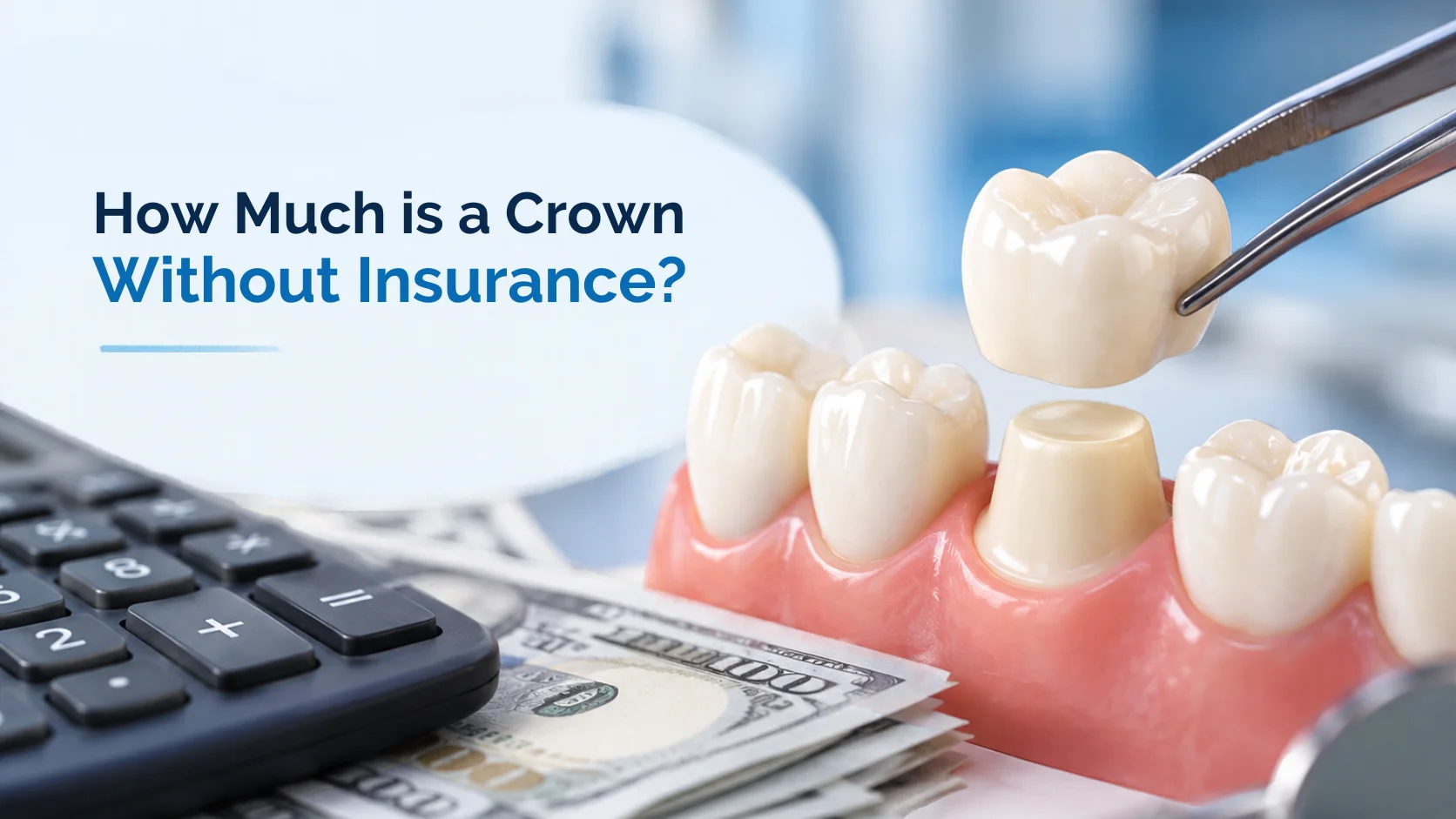

Dental bonding before and after photos show one of the fastest smile makeovers in cosmetic dentistry. In a single visit, a dentist can repair a chipped tooth, close a small gap, cover a stain, or reshape an uneven edge using tooth-colored composite resin. Usually, there’s no drilling, no anesthesia for most cases, and no lab wait.
This guide explains what dental bonding results really look like, how the procedure works step by step, what it costs, how long it lasts, and how to decide whether bonding is right for your smile. Everything here reflects standard clinical practice and our dental team’s experience.
Quick Answer: What Does Dental Bonding Do?
Dental bonding applies a putty-like composite resin to the tooth surface, shapes it by hand, and hardens it with a curing light. The resin is color-matched to your natural enamel, so the repaired tooth blends with the surrounding teeth.
Bonding is most often used to:
- Repair chipped or cracked teeth
- Close small gaps between front teeth
- Cover stains that whitening cannot remove
- Reshape teeth that look short, uneven, or pointed
- Protect exposed tooth roots from gum recession
Dental Bonding Before and After: Common Results
Every smile is different, but the changes patients notice most fall into a few categories.
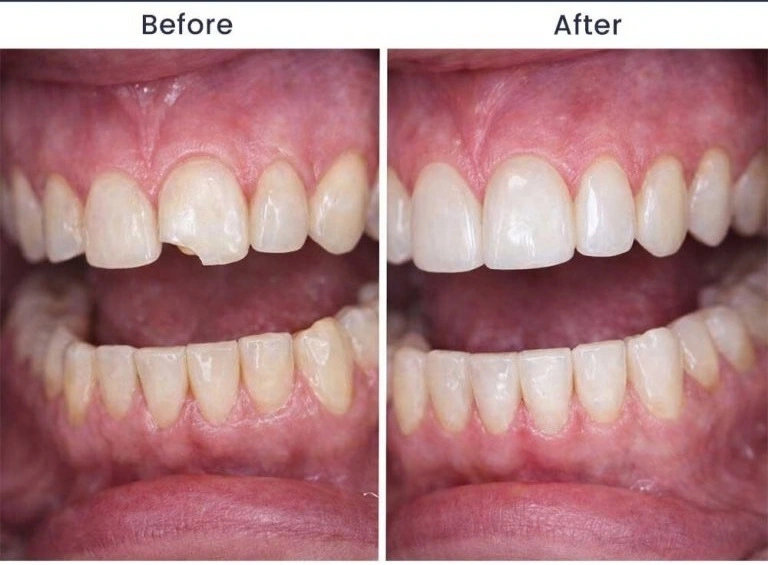
Chipped or Broken Front Teeth
Before: A visible notch or rough edge that catches the tongue and draws attention.
After: A smooth, complete edge with natural shape and translucency. Most patients say the tooth feels like it was never damaged.
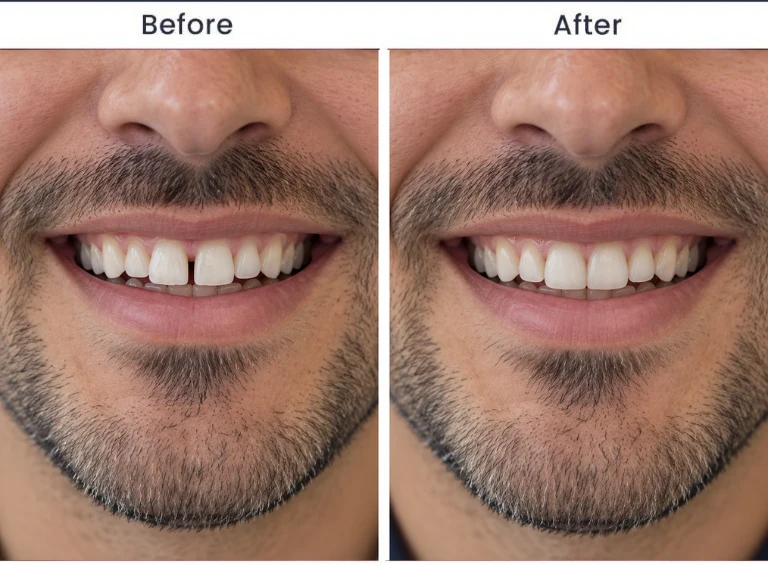
Small Gaps Between Teeth
Before: A narrow space between the front teeth, often called a diastema.
After: The gap is closed by adding resin to the sides of the teeth. Proportions stay natural when the dentist in Glendale carefully plans each tooth’s width.
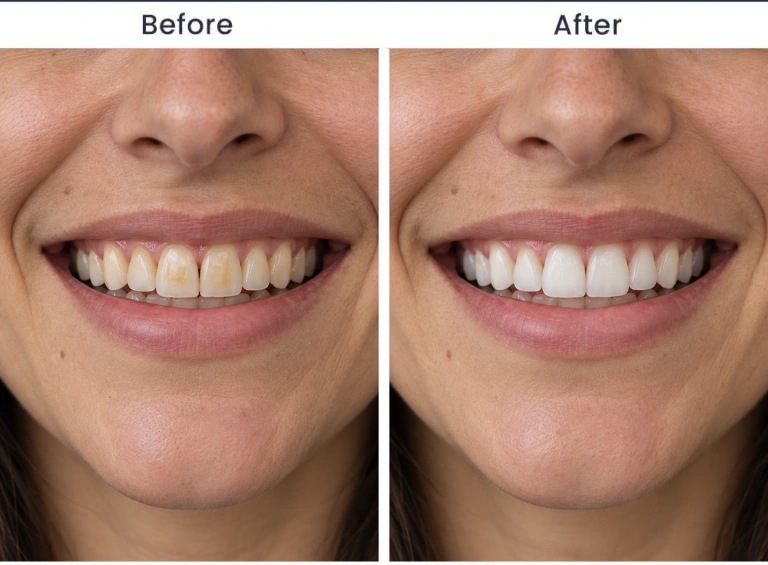
Discolored or Stained Teeth
Before: Intrinsic stains from medication, fluorosis, or old fillings that do not respond to whitening.
After: A uniform, bright surface that matches the neighboring teeth.
Uneven or Short Teeth
Before: Teeth of different lengths or worn edges that make the smile look flat.
After: Balanced tooth length and a smoother smile line.
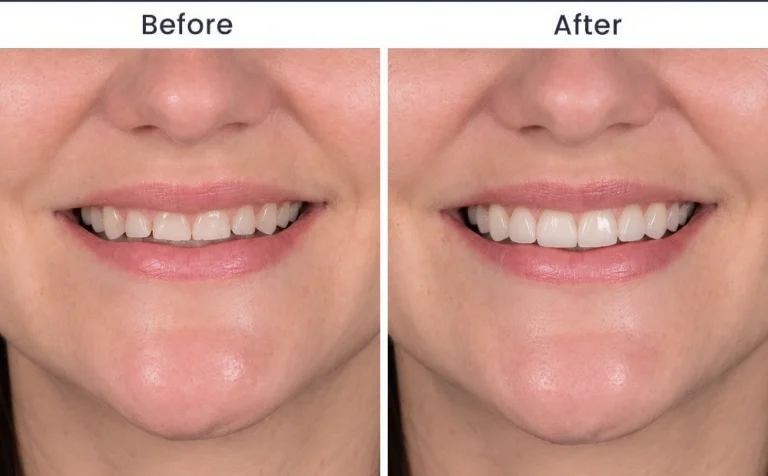
Realistic expectation: Bonding gives a clear, natural improvement, but it is not identical to porcelain veneers. Composite resin reflects light slightly differently than ceramic, which is why shade matching and finishing skill matter so much.
How the Dental Bonding Procedure Works
Most bonding appointments take 30 to 60 minutes per tooth. The process is conservative and, in many cases, reversible.
- Consultation and shade selection. Your dentist examines the tooth, reviews your goals, and chooses a resin shade under natural light.
- Tooth preparation. The surface is lightly roughened and a conditioning liquid is applied so the resin can bond securely. Drilling is rarely needed unless decay is present.
- Resin application. The composite is placed in layers and sculpted by hand to match your tooth’s shape and contour.
- Curing. A blue curing light hardens each layer in seconds.
- Trimming and polishing. The dentist refines the shape, checks your bite, and polishes the surface to a natural enamel-like shine.
Because the work is done directly in the mouth, you leave the same day with your final result.
How Much Does Dental Bonding Cost?
In the United States, dental bonding typically costs between $300 and $600 per tooth, depending on the dentist’s experience, the size of the repair, and your location. Fees can be higher in major metro areas.
Coverage depends on the reason for treatment. Insurance often covers bonding when it repairs a damaged or decayed tooth, but it usually does not cover purely cosmetic changes. Ask our office for an itemized estimate and a benefits check before your visit.
For comparison, porcelain veneers commonly cost several times more per tooth, which is why many patients choose bonding as an affordable first step.
How Long Does Dental Bonding Last?
With good care, bonding typically lasts 3 to 10 years. The lifespan depends on where the bonding is placed, your habits, and how well you protect it. Research on anterior composite restorations shows that composite materials can provide long-term clinical service, but repairs or replacement may be needed over time.
Factors that shorten the life of bonding:
- Biting fingernails, pens, or ice
- Using teeth to open packages
- Grinding or clenching (bruxism)
- Frequent coffee, tea, red wine, or tobacco use
- Skipping regular dental cleanings
Bonding can be repaired or polished when small chips or surface stains appear, which is a major advantage over materials that must be fully replaced.
Dental Bonding vs. Veneers vs. Crowns
|
Feature |
Dental Bonding | Porcelain Veneers | Crowns |
|
Best for |
Minor chips, small gaps, stains | Full smile makeovers | Severely damaged teeth |
|
Visits needed |
Usually 1 | 2 or more | 2 or more |
|
Tooth removal |
Little to none | Some enamel |
Significant |
| Typical lifespan | 3 to 10 years | 10 to 20 years |
10 to 20 years |
| Stain resistance | Moderate | High |
High |
| Cost per tooth | Lowest | Higher |
Highest |
Bonding is ideal when you want a quick, affordable, minimally invasive improvement. Veneers and crowns make more sense when teeth need larger structural or cosmetic changes.
Pros and Cons of Dental Bonding
Advantages
- Completed in a single visit
- Preserves natural tooth structure
- Lower cost than veneers or crowns
- Easy to repair and adjust
- Usually no anesthesia required
Limitations
- Less stain-resistant than porcelain
- Can chip under heavy biting force
- Shorter lifespan than ceramic restorations
- Not suited for major tooth or bite correction
Who Is a Good Candidate for Dental Bonding?
You are likely a good candidate when you have healthy gums, no active tooth decay, and a cosmetic concern that is limited in size. Your dentist will also consider your bite, grinding habits, and the amount of healthy enamel available.
Bonding may not be the best option when you have extensive damage, severe crowding, or a heavy bite that places strong force on the repaired tooth. In those cases, your dentist may recommend veneers, crowns, or orthodontic treatment instead.
How to Care for Your Bonded Teeth
Good habits protect your results and extend their life.
- Brush twice daily with a soft brush and non-abrasive toothpaste
- Floss daily and attend cleanings every six months
- Limit staining drinks, or rinse with water afterward
- Avoid chewing hard objects
- Wear a night guard when your dentist identifies grinding
- Contact your dentist promptly when the bonding feels rough or sharp
What to Look For in a Dental Bonding Dentist
Bonding is as much an art as a technique. The quality of the shape, color blending, and polish depends on the dentist’s training and eye for detail. Before you book, review the dentist’s real before and after portfolio, ask how many bonding cases they complete each month, and confirm they are licensed and experienced in cosmetic dentistry.
Frequently Asked Questions About Dental Bonding
Does dental bonding hurt?
Most patients feel little to no pain. Anesthesia is typically only needed when bonding is placed near a nerve or alongside a filling for decay.
Can bonded teeth be whitened?
Composite resin does not respond to whitening agents. Whiten your natural teeth first, then have the bonding matched to the new shade.
How noticeable is dental bonding?
When placed by an experienced dentist, bonding blends with surrounding teeth and is difficult to spot in normal conversation.
Is dental bonding permanent?
Bonding is long-lasting but not permanent. Expect to polish, repair, or replace it over time.
Can bonding fix crooked teeth?
Bonding can improve minor shape and spacing issues, but it does not move teeth. Orthodontic treatment is the right option for true alignment problems.
Is bonding safe for your teeth?
Yes. Bonding is a well-established, minimally invasive procedure used for decades that removes little or no enamel.
How long does a bonding appointment take?
Plan for 30 to 60 minutes per tooth. You can often treat several teeth in one visit.
Ready to See What Bonding Can Do for Your Smile?
A short consultation is the best way to learn whether dental bonding fits your goals. Our dentist will examine your teeth, show you real before and after examples, and give you an honest cost estimate with no pressure.
Book your cosmetic bonding consultation at Simply Smiles today: +1 (623) 352-8336